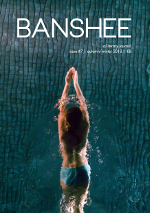
I picked 3 short fictions for Banshee magazine, all of them challenging, interesting pieces. Lots of other good picks on the list to investigate.
Category Archives: Delights
1000 Years of Joys and Sorrows
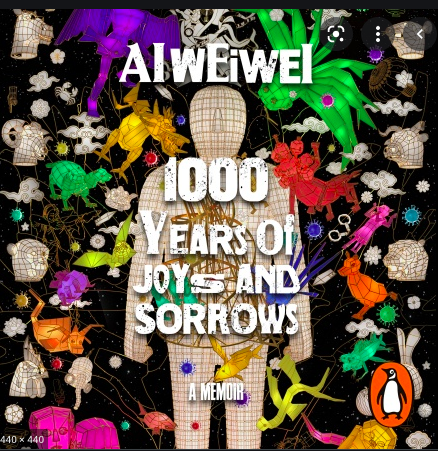
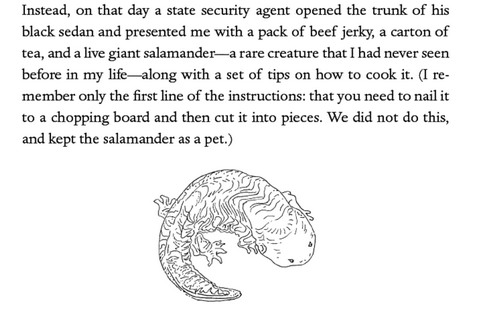
I wrote about Ai Wei Wei’s memoir for Literary Review. Inexplicably, the review makes no mention of this incident:
Hard Like Water

I wrote aout Yan Lianke’s newly translated (but old) novel for the Times Literary Supplement. Mao gets the best line in the piece:

Quarantine

My second novel will be out from Swift Press next year – you can pre-order here.
Neighbourly

I have a story in the new issue of Banshee about the joys of tenement living. You can preorder here.
Review of ‘My Old Home’

My piece on Orville Schell’s novel is in the latest TLS.
Moscow Monumental

I wrote about Moscow’s Stalinist skyscrapers for the Financial Times.
TLS Review of The False River
Thanks to Aleksandra Kos for an interesting piece which argues that the book explores ‘the experience of embodiment and how this shapes social relations’.
Loyal
I have a new story on the Short Fiction website about being scared to go outside on a hot day. So not topical at all.
In search of golden chamber pots

I wrote about the delights of literary ‘success’ for the Royal Literary Fund.
Imagine that this Page is Empty
My story, as titled above, is the story of the month at the Willesden Herald. It’s from my first story collection The False River.
Writers Aloud interview
Dystopia
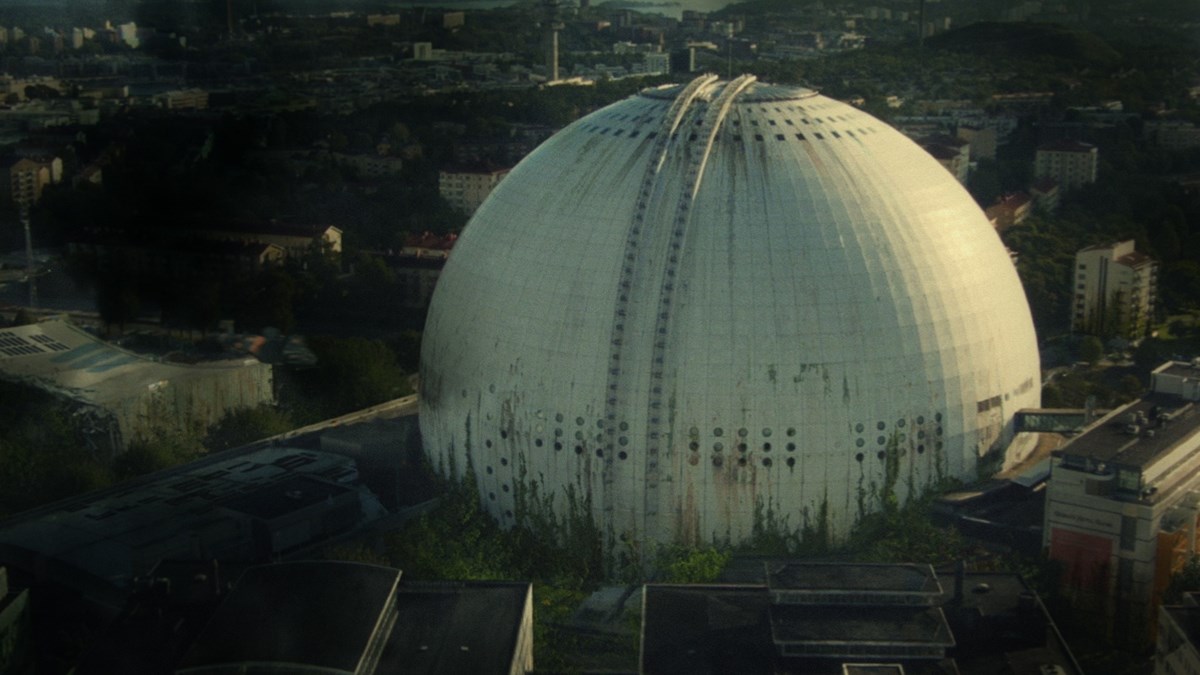
I went on Swedish radio to talk about Xinjiang and other small questions like the future of China. Listen here
Creative Scotland grant

Thanks to Creative Scotland for awarding me a grant to work on my next novel, which if you squint at, or close one eye, you could call a love story.
Herald Review
There’s a review of The False River in The Herald newspaper today.
‘The False River
Nick Holdstock
Unthank, £9.99
The Willesden Herald Short Story Prize might not sound glitzy, but it allows Nick Holdstock’s story “Ward” (in which a teenage girl’s cancer diagnosis changes the course of her life) to be described as award-winning, which feels deserved. And judging by the quality of these stories, it won’t be his last accolade. Short story collections are often front-loaded with the best work, but The False River actually becomes more compelling as it goes along. His ease with dark and transgressive themes (animal-lovers should skip past “The Ballad of Poor Lucy Miller”) brings to mind a young Ian McEwan, but Holdstock is a multi-faceted writer who often seems to be urging his stories to break free of the frames surrounding them and even alters one character mid-story because he doesn’t like the direction it’s going. But mostly this accomplished collection is driven by a burning curiosity about the psychological states of its characters, and it should put him firmly on the literary map.
Extract in The Scotsman
The start of ‘And Then’, a story from The False River, appears in today’s Scotsman newspaper.
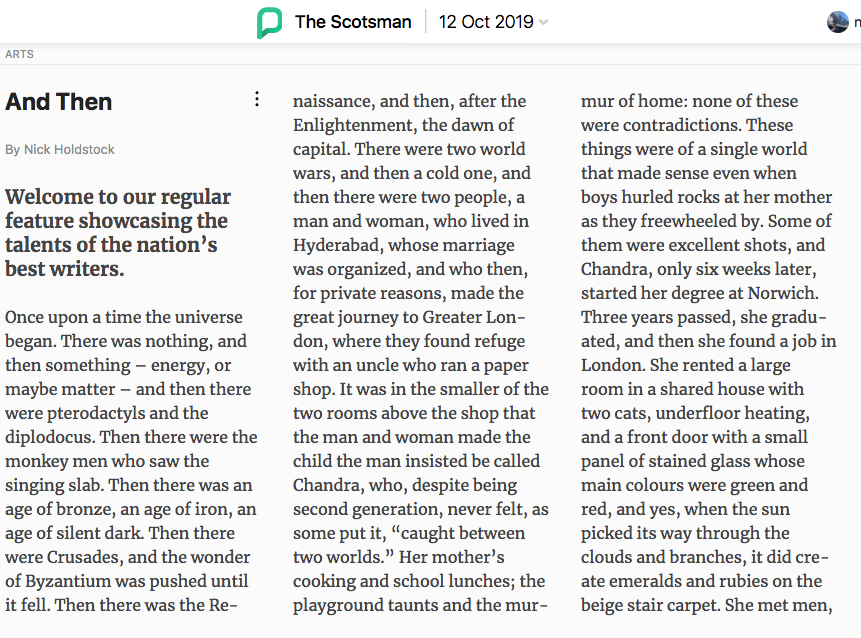
My first collection
The False River is out now.
With thanks to the publications in which some of this work first appeared – especially the Manchester Review, the Southern Review, and the Willesden Herald. I’m also grateful to editors like Emily Nemens (formerly of the Southern Review, now Paris Review Fiction Editor), Tom Vowler, and especially the late Jeanne Leiby, who was my first editor at the Southern Review, and offered me encouragement at a crucial time.
(I don’t know about good things)
Thanks to Tom Vowler for a fun interview now posted on the Unthank Blog. Glad to say peacocks get a mention.
Author takes photo of author’s book
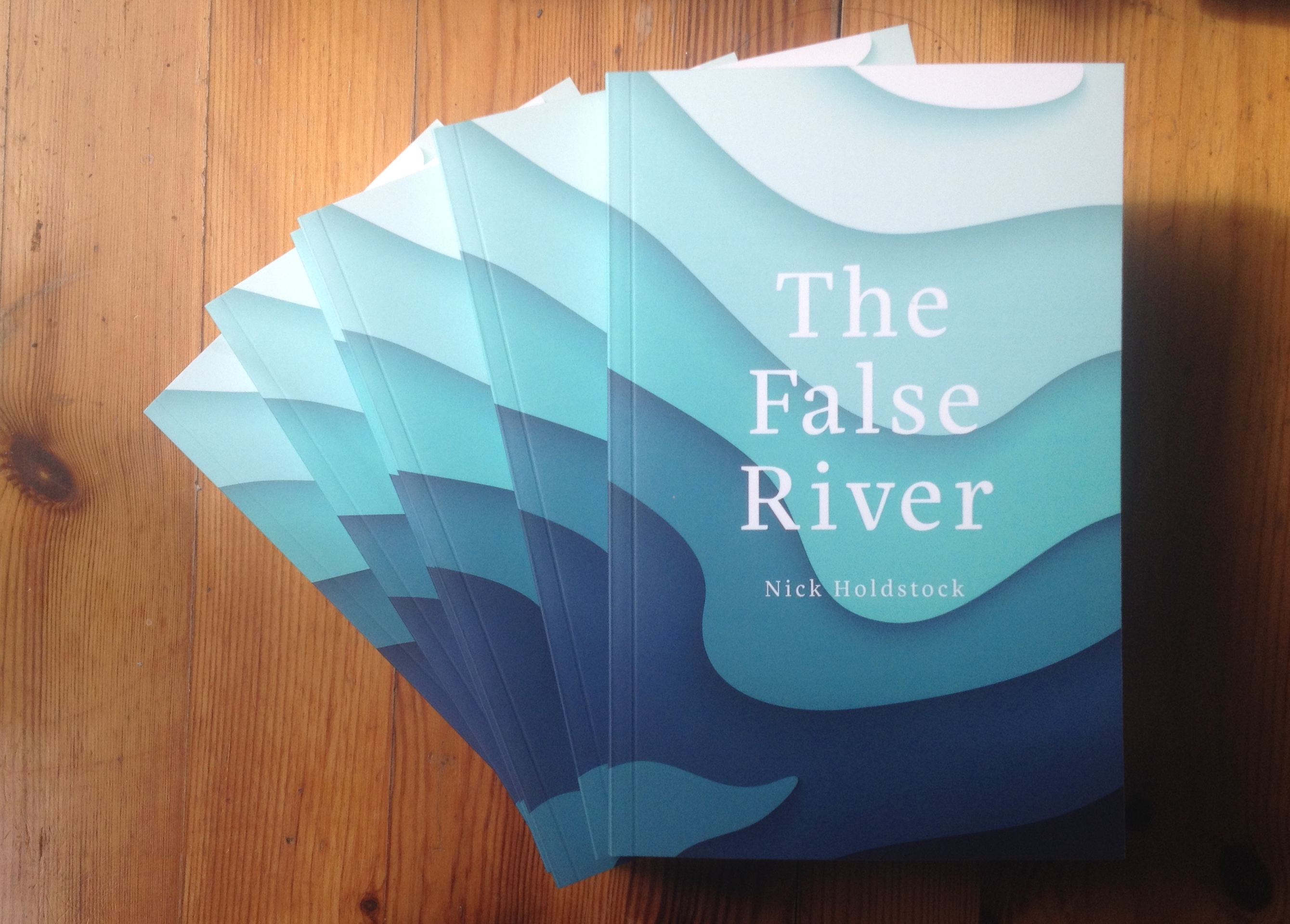
Out September 26th. Pre-order here.
Kill your darlings
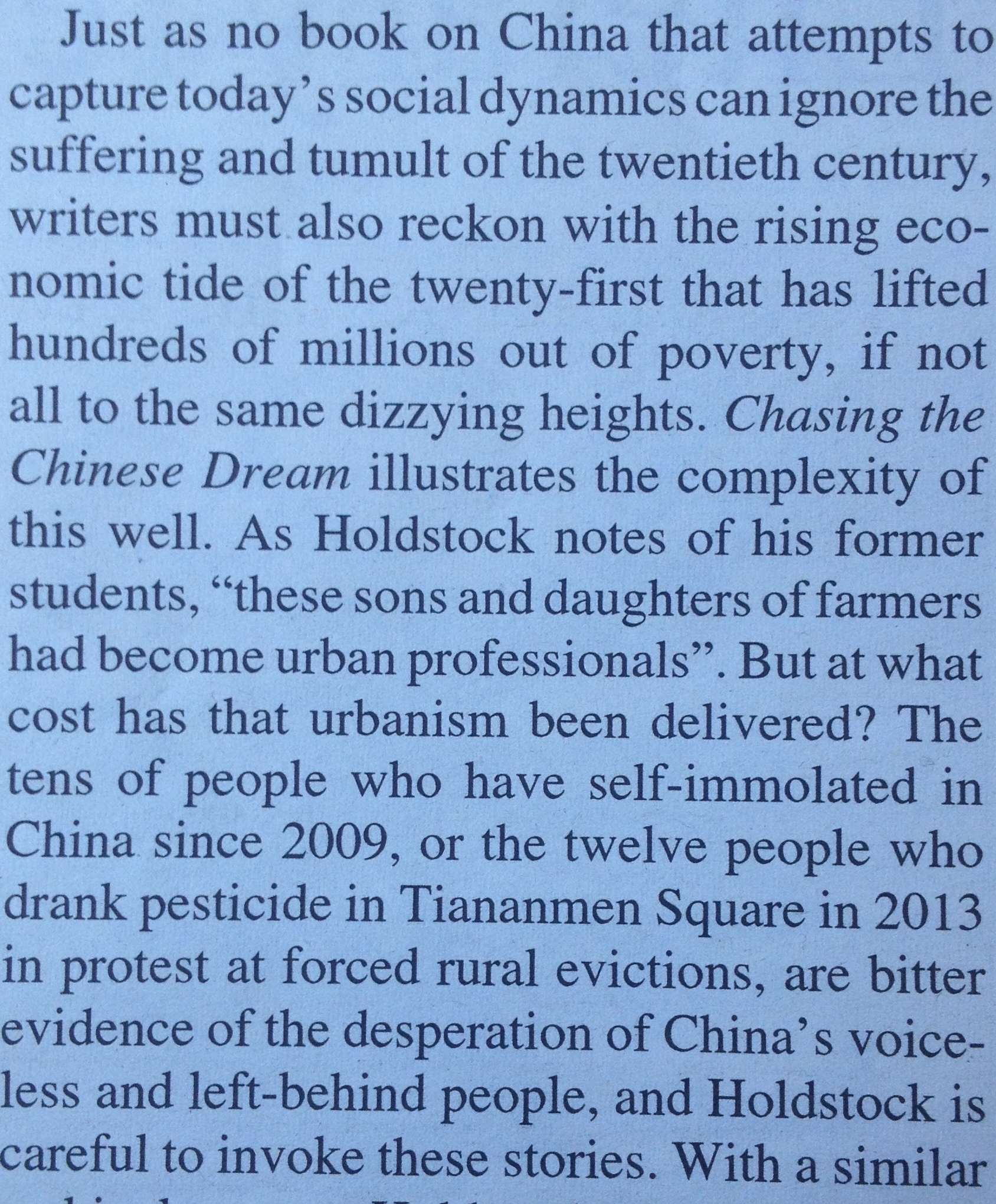
Review of Chasing the Chinese Dream in the TLS
Thanks to Amy Hawkins for a thorough, perceptive review of my book (alongside two others) in the TLS.
“It is always refreshing to read anything on China that takes the focus away from Beijing and Shanghai … Holdstock is at his best when detailing China’s rural to urban transformation.”
UCHANGE
I thought it was time to write a story that heavily features a goose.
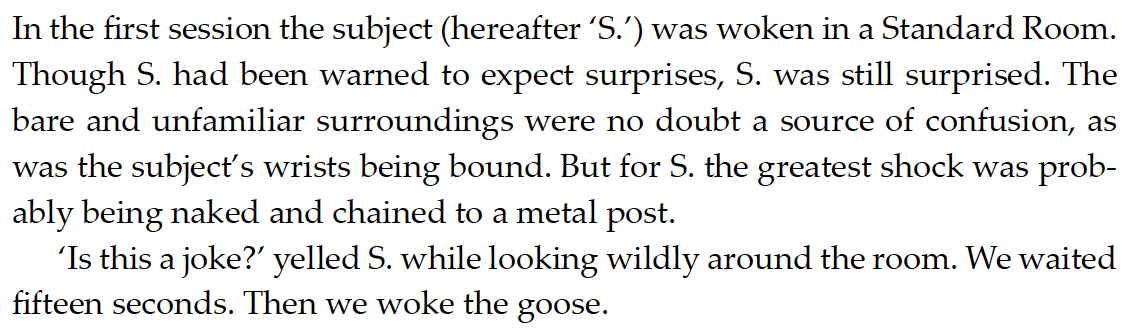
My story, UCHANGE, is in the new issue of Banshee.
Free Rahile Dawut
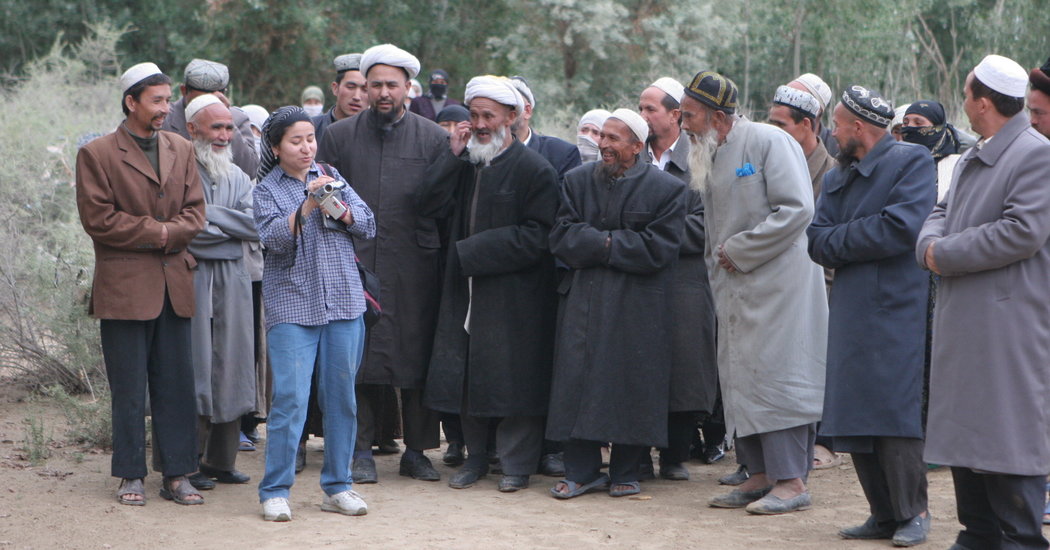
I wrote about the disappearance of Rahile Dawut (pictured holding the camera), and hundreds of thousands of other people in Xinjiang, for the LRB Blog.
Collection
My first story collection ‘The False River’ will be out next year from Unthank Press.
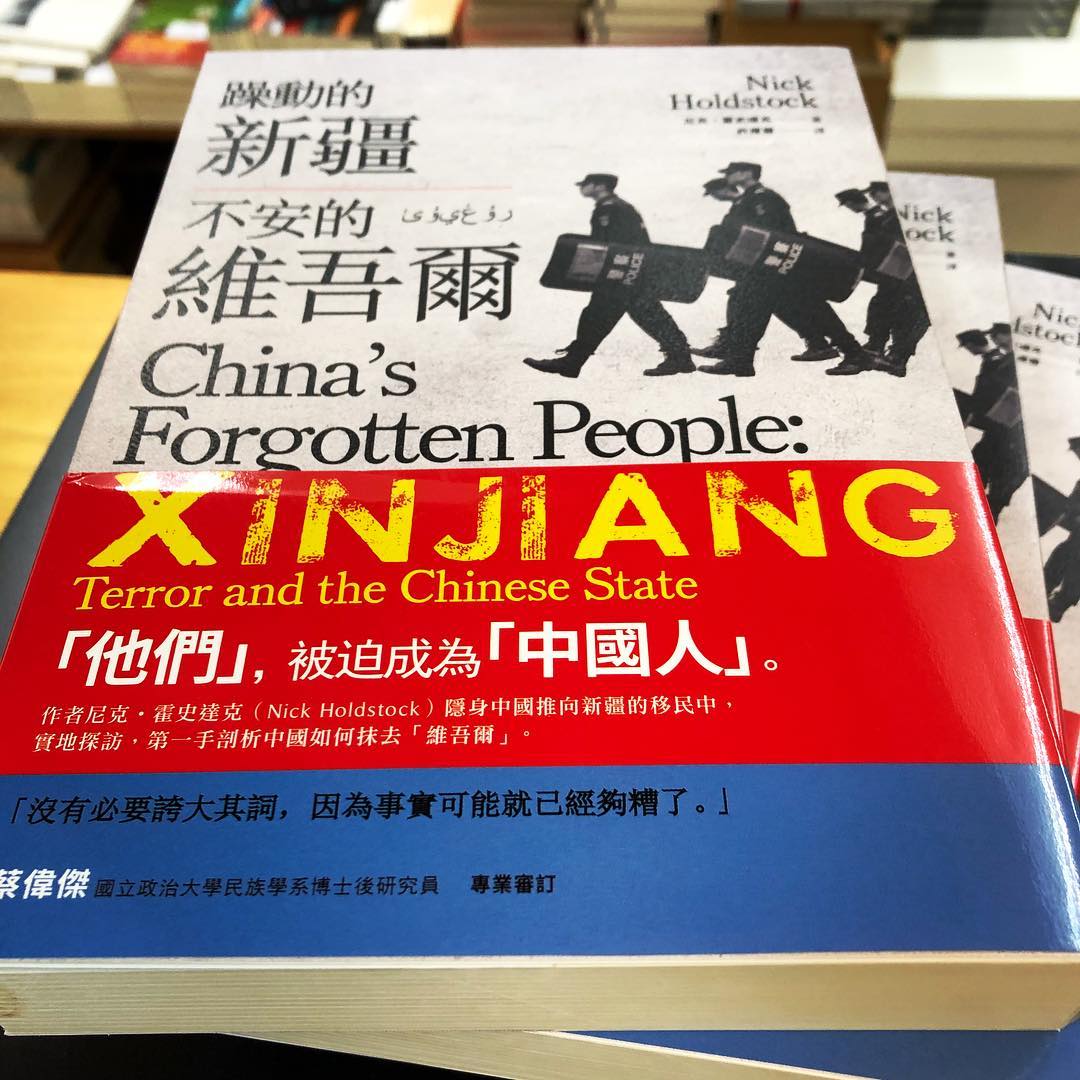
Chinese edition of China’s Forgotten People
A Balcony in the Forest
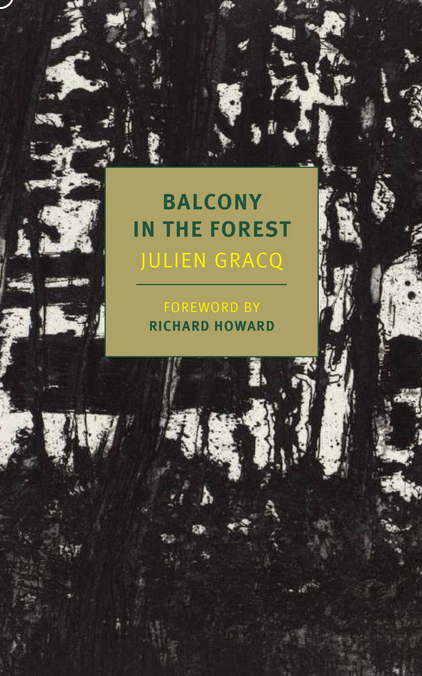
I wrote a short piece about the re-issue of Julien Gracq’s novel for the TLS.
Generation HK
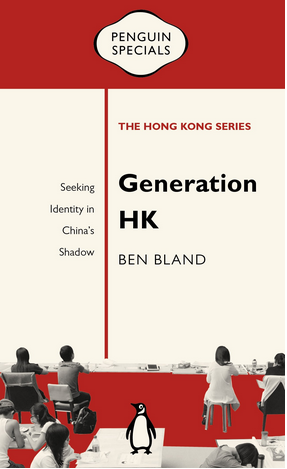
I wrote about Ben Bland’s book on activism and identity in Hong Kong for the Financial Times.
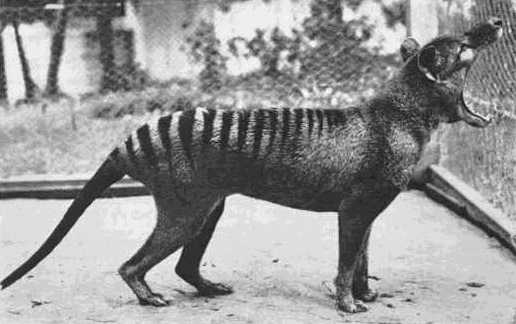
Lost Species Day
I wrote about extinction for the LRB Blog. Spare a thought for the thylacine.
China Channel

The LARB has a new China blog which has lots of good content by people who really know their stuff. I wrote something for a roundtable discussion on Han Song’s story ‘Finished’, a Kafka-esque story about migrant workers.
Katalin Street
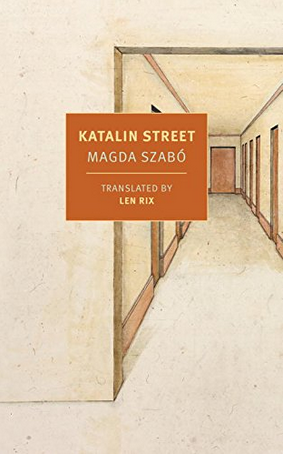
I wrote a piece for 3 a.m. magazine about Magda Szabó.

