
I write about the Tianjin explosion and the need to reform low-level governance in China on the LRB Blog.
I write about the Tianjin explosion and the need to reform low-level governance in China on the LRB Blog.
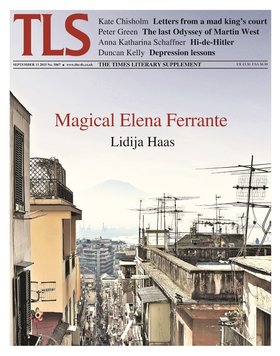
Thanks to Rian Thum for a very fair review in the Times Literary Supplement (9/11) of China’s Forgotten People in which he calls it ‘the most reliable journalistic account published in the past few decades’ and a ‘much-needed resource’.

There’s a Q and A about China’s Forgotten People in the new issue of Time Out Shanghai.

My Edinburgh Book Festival event about The Casualties can now be listened to on the BBC Arts website (though possibly not for ever and ever. So if this link stops working, I apologise…)
is my favourite word in Steve Donoghue’s interesting review of The Casualties at Open Letters Monthly.

Thanks to Caroline Leavitt for doing a Q and A with me about The Casualties, which as usual made me realise all kinds of things about where the book came from. Shockingly, I even admit to having a broad streak of pessimism.
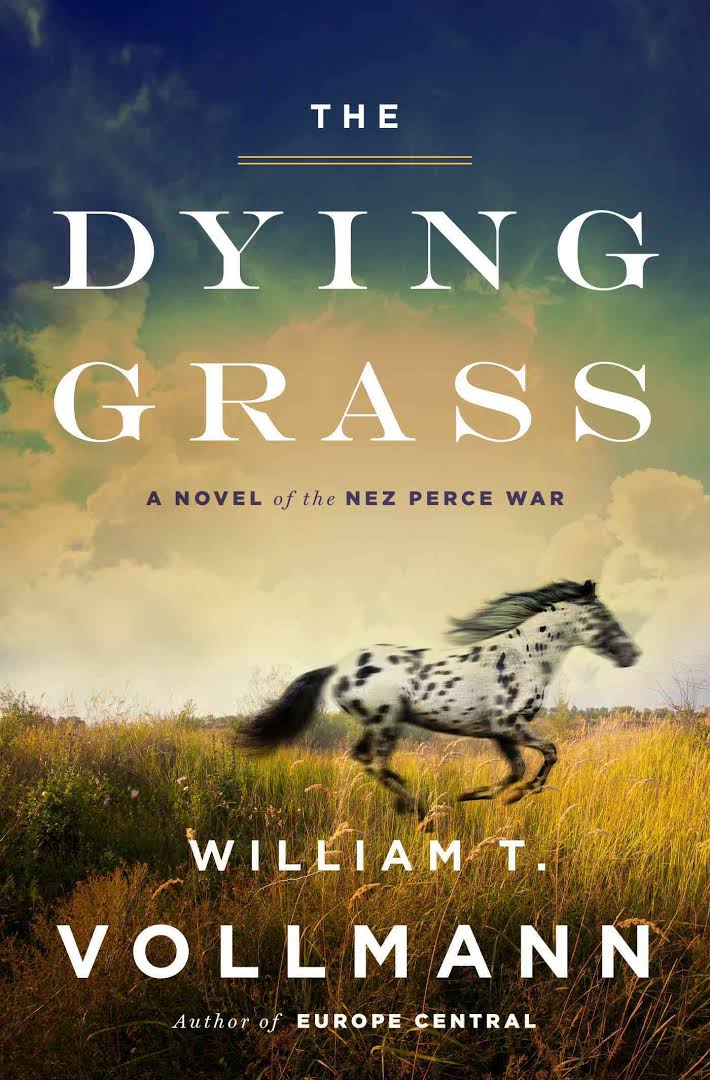
My possibly quixotic attempt to make you read William Vollmann’s incredible new book is now at the LA Review of Books.

Thanks to Writers Read for asking.
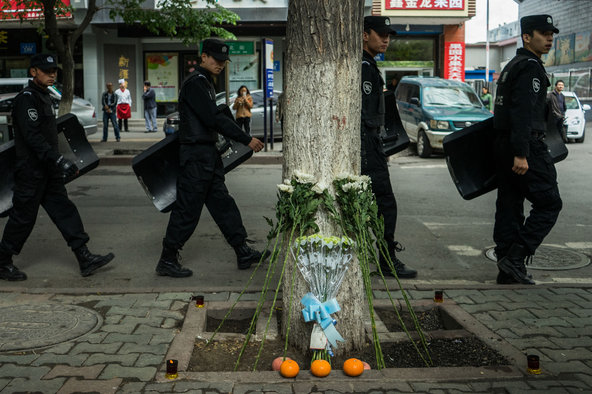
Thanks to Ian Johnson of the New York Times for the interview.
Ian Johnson writes for the NYT and NYRB on China – his work on urbanisation in China is especially well worth a look.
Thanks to Steve Nathans-Kelly for his review of The Casualties at Paste Magazine.

Thanks to Tom Miller, author of China’s Urban Billion, for his review of CFP in The Spectator

Some thoughtful reviews from Kerry Brown at Open Democracy, Tom Miller at The Spectator, and Jonathan Mirsky at Literary Review (click here for pdfs LR CFP 1 LR CFP 2). Thanks to these experienced China commentators for taking the time to write such considered pieces.
There’s also a good overview of some of the book’s issues by Joshua Bird at Asian Review of Books and by Paul French at China Rhyming.
Thanks also to Ian Johnson of the New York Times for his incisive Q and A on the book.
Lovely photos of a very interesting place – there’s also a major Sufi shrine in the cemetery and the power station looms over it all.


Last weekend I went to Gulsay Cemetery at the south end of Ürümchi, back behind the power plants right next to lowest foothill of the eastern section of Heavenly Mountains. Many Uyghur, Kazakh and Hui heroes are buried in this cemetery; people often just refer to it as “the Muslim cemetery.” Looking at the markings around you, it feels as though you are in a completely Muslim world. In the Uyghur section of the cemetery all of the signs are in the Arabic script of modern Uyghur. There is little sign in this community of the dead that this cemetery is in the largest Chinese city in Central Asia. But if you look a few hundred meters away you immediately recognize that the city is now even here: the last stop on 308 bus line. Giant earth moving machines prowl the nearby city landfill; sunlight reflects off of the CITIC…
View original post 504 more words
My fanciful attempt to channel the shade of Italo Calvino is in the new Dublin Review. It’s a piece that praises obscurity and the art of re-reading – and the idea for it was originally suggested by the novelist Rajorishi Chakraborti, who was my tutor on the University of Edinburgh Creative Writing course.
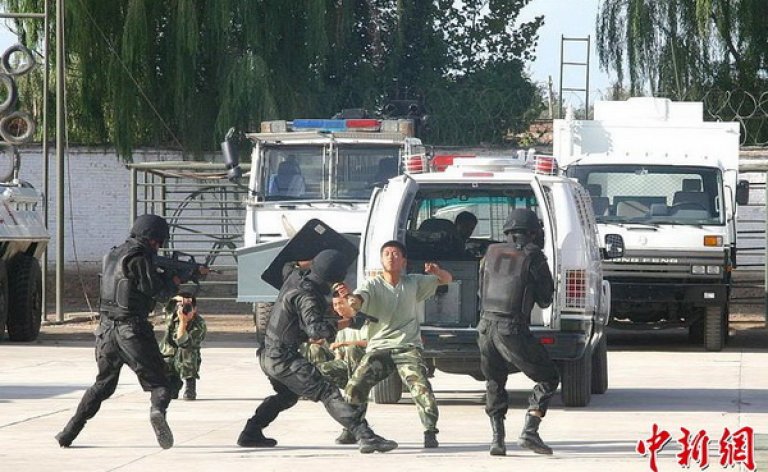
Anti-terror drill in Xinjiang
My latest piece on the LRB Blog about China’s dubious claims about the extent and nature of ‘terrorism’ in Xinjiang.
My review of Michael Meyer’s great new book on Manchuria (NE China) is in the new Literary Review.

I’ll be taking part in an event on the Silk Road at Asia House on May 14. More details here.

There’s an extract from my forthcoming book China’s Forgotten People on the Highlight Arts blog – you should spend some time on their site to learn about the diverse and important work they do.
One of the emerging trends among young Uyghur film directors is a new attention to documentary filmmaking. This approach has long been a part of Uyghur cinema, but previously it was often part of a larger public relations presentation sponsored by the Chinese Culture Ministry. These new documentary short films are independently produced on limited budgets by young filmmakers who have an intimate knowledge of their subjects.
View original post 761 more words

My novel isn’t out until August next year, but I thought I’d start the book tour early…. You can hear an excerpt from it on the Culture Laser podcast. It starts at around 10m 11 secs in….
Yep, and it seems just right.
Another really insightful piece from this excellent blog.
Ever since Kasim Abdurehim, the founder of the private English school Atlan, took third place in the national English speaking contest in 2004, Uyghurs have found their way into the final rounds of almost every major English speaking competition in the nation. This year was no exception. The main difference is that now Uyghurs are learning how to be confident in their English ability at a younger age. It is because of people like Kasim and dozens of other award winning role models that kids like 14 year-old Tughluk Tursunjan feel confident on a national stage. Although Uyghurs represent less than one percent of China’s population, they still consistently beat Han contestants from the best schools in the country.
Tughluk, who was this year’s winner of the Junior High School division of the “Outlook of Hope” contest on CCTV was taught by an English instructor named Nemo…
View original post 787 more words

Iraqi sources claim to have caught a Chinese citizen fighting for the Islamic State militant group.
My piece on China’s recent claims that fighters from Xinjiang are training with IS is up at Vice News.
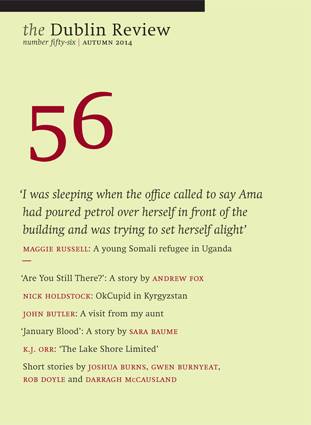
The autumn issue of The Dublin Review has a long tale of the joys and sorrows (more of those) of trying to do internet dating in Bishkek in Kyrgyzstan. Suffice to say, no weddings are currently planned.
It begins thus:
September is the perfect month for dating in Bishkek. The intense heat of the Kyrgyz summer has passed, but the days are still bright and warm. In the evening you can eat outside, then stroll through the park, without feeling the slightest chill.
Before I travelled to Bishkek, I’d been living in London for six months, and despite the many possibilities of the place I was in a dating rut. We went to the British Film Institute or the Hackney Picturehouse. We spoke sometimes of Mad Men, sometimes of Breaking Bad, always of Game of Thrones. We were witty and cutting and sometimes we kissed but even after three drinks, with our eyes shut, our tongues entwined, we remained urbane. We were youngish, smart professionals. We were polished stones.
My initial reasons for visiting Kyrgyzstan’s capital had nothing to do with dating. I wanted to do a report on a clinic that treated drug addiction by putting its patients into comas. I had nothing else planned, and knew no one in Bishkek. Three days before I was due to leave, I was checking OkCupid – not with any real conviction, more out of pathetic habit – and saw I had a message from a fifty-six-year-old woman in Uzbekistan. ‘Good face!’ she wrote, which was nice of her, but alas I had no plans to visit Tashkent. It did, however, make me wonder if OkCupid had any English-speaking women in Bishkek on its site.


The August issue of Literary Review has my piece on Evan Osnos’ impressive book on the last decade in China (and scorn for another book). Print only! Well, and on some tablets too…

An interview I did for china dialogue on China’s water scarcity and agriculture is now online.


