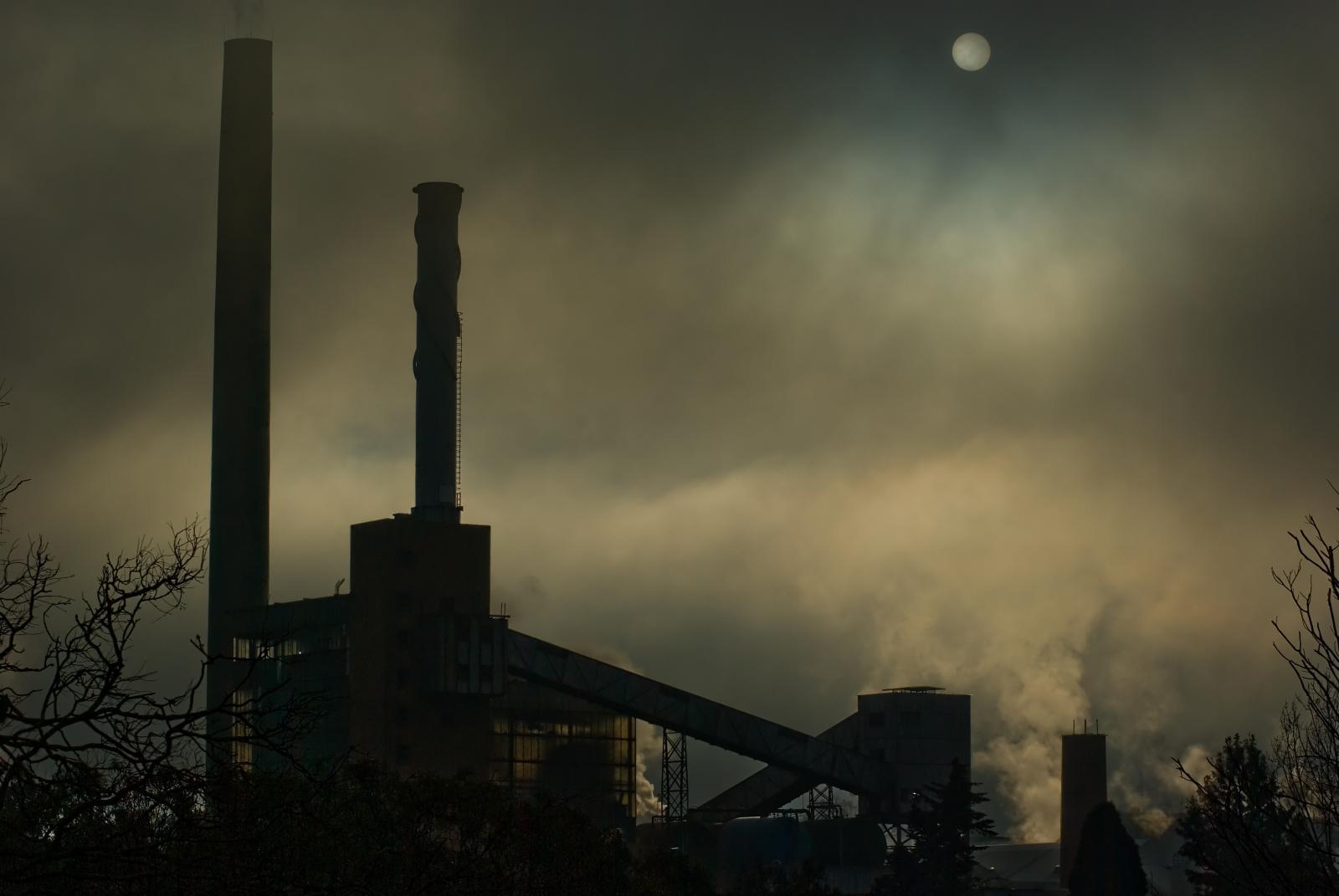
Australia scraps its carbon tax because the weather isn’t getting hotter there or something
More here. By me.
More here. By me.


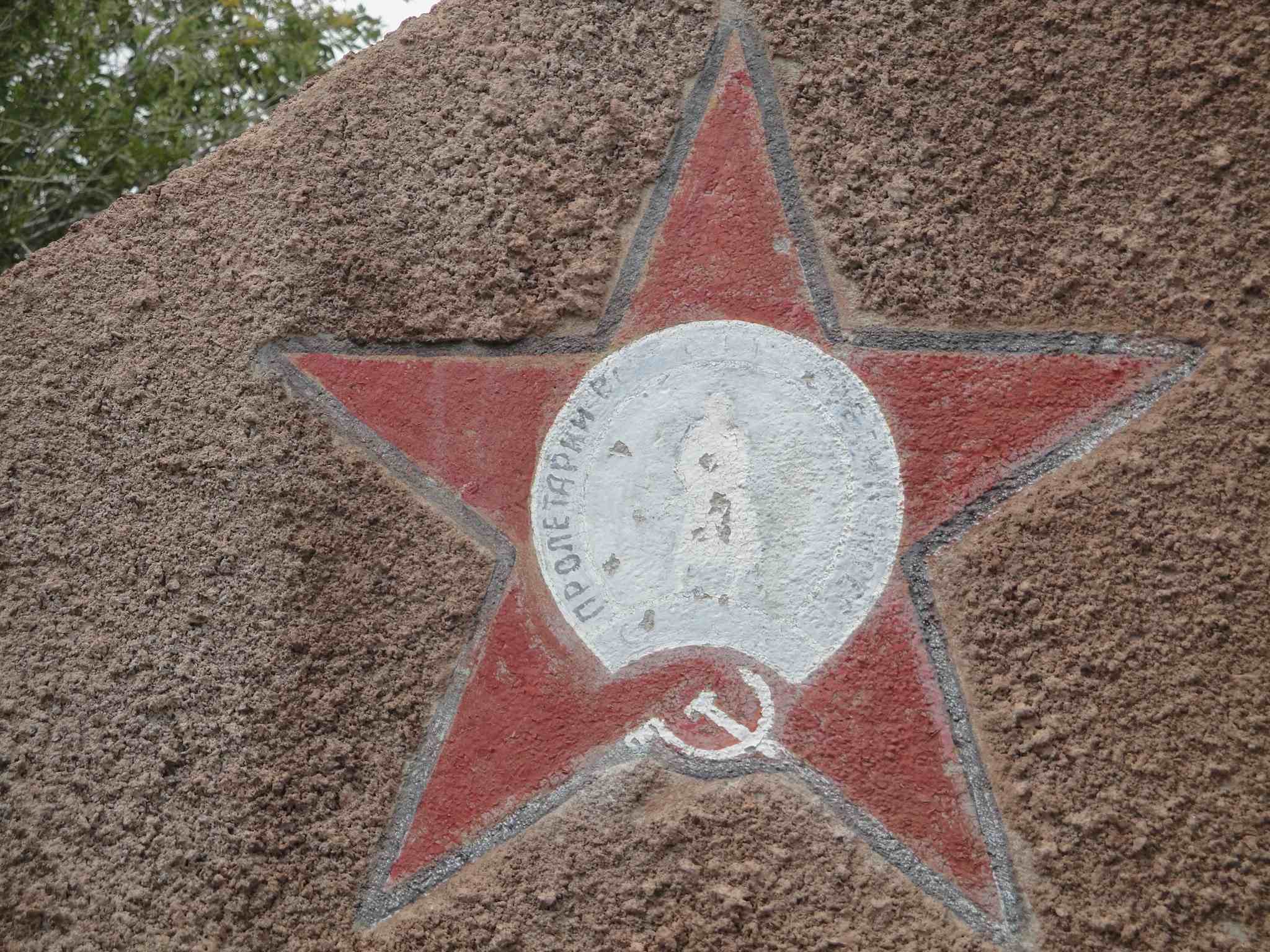
A rifle and sword tied together with a red flag over a meter of Gobi sand welcomes visitors to the Xinjiang Production and Construction Corps Museum in the city of Shihezi – 136 kilometers northwest of Ürümchi. This museum, filled with patched and dented artifacts and hundreds of large scale historical photos, is the premiere monument to the Han experience of the recent past in Xinjiang. It shows us the narrative of experience necessary to understand the history of the people who self-identify as “constructors” (jianshezhe) of Xinjiang.
The Bingtuan, as the Corps is referred to by locals, is a state-sponsored farm system that is spread across the territory of Xinjiang – an area as large as California, Nevada, Utah, Arizona, Colorado and New Mexico combined. Hundreds of regiments are still in operation 60 years after their founding. Out of this population of around 3 million military farmers…
View original post 1,139 more words

Back street in Urumqi, September 2013
Firstly, apologies to Raymond Carver for being yet another desecrator of his great title.
Secondly- this is the title of my latest piece on Xinjiang, which is in the Summer issue of Dissent mag.

Image by Stuart Franklin (Magnum)
My piece on the Tiananmen Square 25th anniversary is the top story on Vice News today.

When I was in Guangzhou recently I had an interesting conversation with Walter Hook, CEO of the Institute for Transportation and Development Policy, who try to promote green transport solutions for cities. He had a lot of useful things to say about how China’s fast expanding cities might reduce car use so as to make decent urban spaces. For more, see my piece at china dialogue.
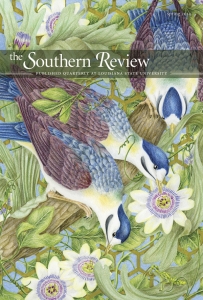
‘Octet’ is the title of my new story in the spring issue of The Southern Review. It’s an odd one, for sure. I don’t have much memory of writing it. I know I was listening to a track from ‘The Tree of Life’ soundtrack on repeat when I was working on it. I also remember walking up and down Montgomery Street, in Edinburgh, Scotland, when I saw something that made me briefly question the physical laws of our universe. But only for a moment, of course.
It starts like this:
The procedure is always the same. He fills in forms. He waits. After twenty or thirty minutes the first of the books arrives. Usually singly, sometimes on a trolley, until they form a tower. All morning his eyes pull in their words like a stove feeding itself. At one o’clock he goes to the canteen; by quarter past he’s back. He remains in his chair until he hears the voice of a man who is never tired, does not age, who may already be dead. It is a voice he hates. The library will be closing in fifteen minutes, says the man. Please return your books to the desk. With this the tower is destroyed. He must return to the present.
He leaves the library and walks down the hill until he reaches his street. At home he eats then tries to read but usually his eyes hurt. All he can do is walk the several blocks of the street, slowly back and forth. He goes over the day’s reading. He waits for the Thought.
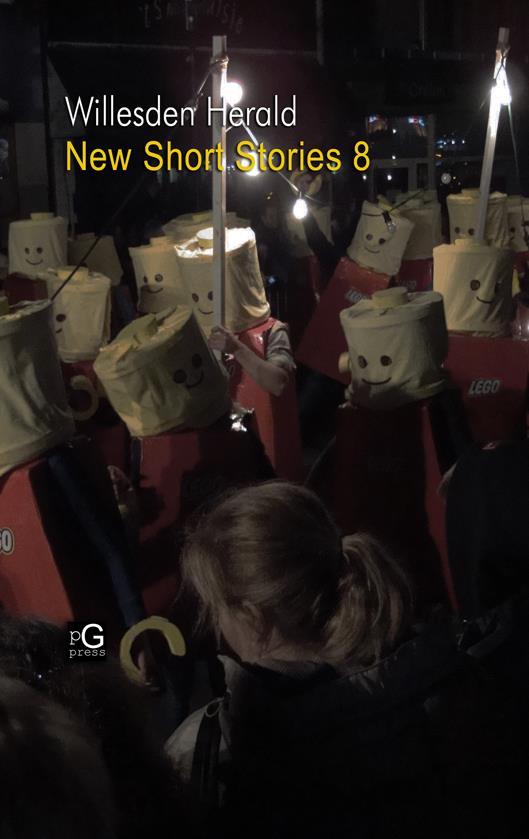
I’m amazed and delighted to have won this year’s Willesden Herald Short Story Prize.
My story, ‘Ward’, is about a young girl who gets very ill and how it changes her.
You can read it and the other nominated stories by buying the anthology which is a bargain at £5.99 (incl. postage)- the best place to buy it is here.
An extract:
She’d never had so many presents. Flowers, magazines, teddy bears and balloons, a poster of two puppies wedged in a boot. Sandra was the only visitor who didn’t bring a gift. Her presence was confusing, because she and Emily weren’t friends. Emily wondered if Sandra liked her the way she liked her classmate Maxine: quietly, from an awed distance, content to sit two rows behind. After ten minutes she noticed the way Sandra’s eyes returned to the needle in her arm, the IV line, the slowly shrinking bag. She asked if Emily was in pain, if she was going to have an operation. She wanted to tell everyone about her dying classmate.
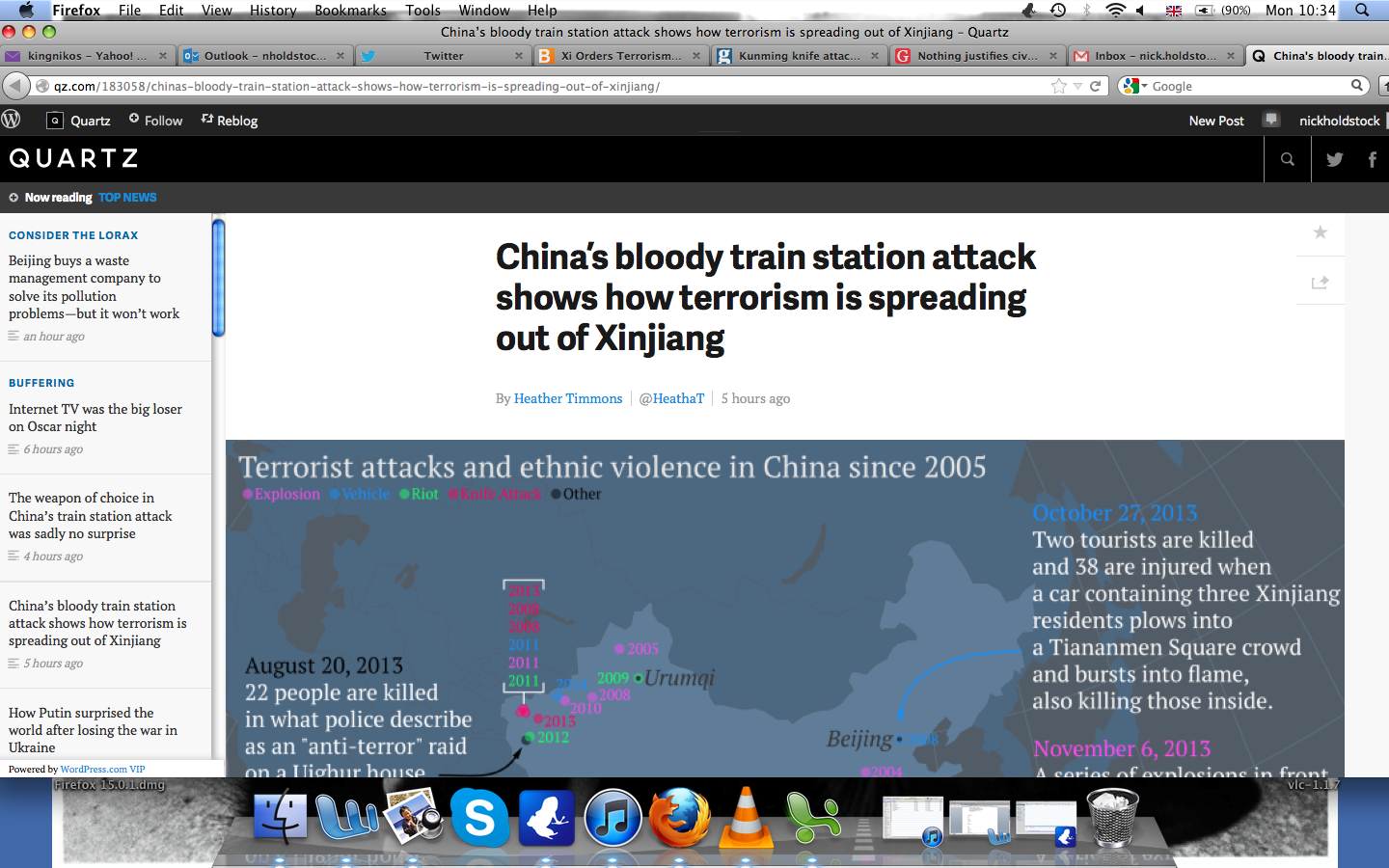
I’ll be talking at Westminster University, London, on March 19th about how Western and Chinese media tends to represent the Xinjiang issue in different yet equally distorting ways – details here.
Sean Roberts, an associate professor at Georgetown University, offers a careful, considered response to the attacks, and provides excellent context for what has happened.
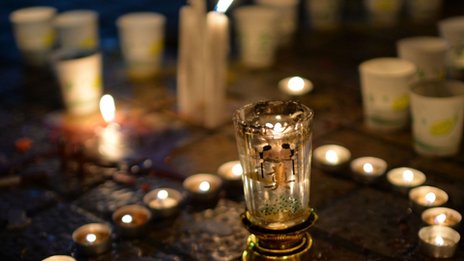
I attempt to make sense of the horrible killings in Kunming on the LRB Blog
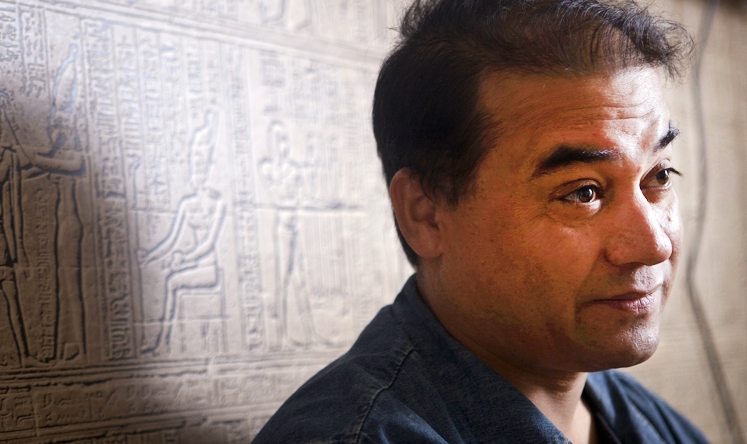
Ilham Tohti, the respected Uyghur economist, has been charged with separatism and faces ten years to life in prison in China. It’s the kind of thing that’s a reminder of how China’s judicial and political system hasn’t made the same kind of progress as its economy. I wrote about the case on the LRB Blog.

My piece on a drug addiction clinic near Bishkek in Kyrgyzstan is now up at VICE.

If you think that people collect your recycling because they care about the environment, you may find my interview with Adam Minter about his new book Junkyard Planet: Travels in the Global Recycling Trade a bit surprising. Sorry about that.

I went back to Kashgar, in southern Xinjiang, in September last year for the first time in 13 years. In 2000 it was a place that I was sorry to leave; I didn’t feel the same this time. More words and pictures about that can be found at Unmapped, a new travel magazine that’s publishing the kinds of pieces that are in short supply: well-written, insightful reports from places that the news agenda doesn’t seem concerned about.
2024 Update: Unmapped has, alas, ceased publication, but the text of the piece can be found here: https://www.uyghurcongress.org/en/the-death-of-old-kashgar/

My piece on Lisa Ross’ exhibition in London of photos from Xinjiang is up on the London Review of Books Blog.
My interview with her earlier this year is at the Los Angeles Review of Books.
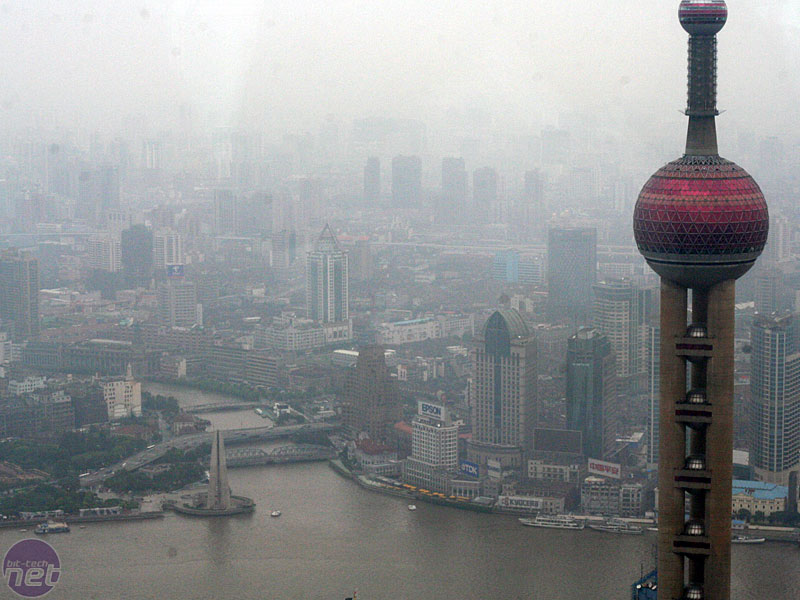
A blog I wrote with my other hat on…
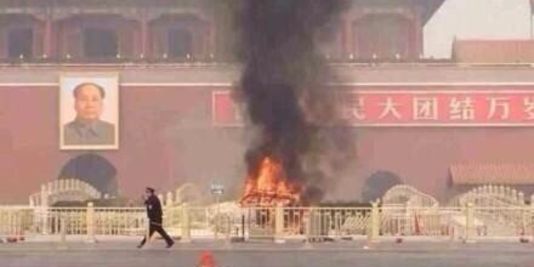
There was an explosion in Tiananmen Square last week. On the LRB Blog I write about why it wasn’t terrorism.
My piece on being a politically engaged writer (or not) is now up at CITSEE.eu

This is a witty book that I disliked immensely. It asks the reader to be moved by the decline of the English country house (Brideshead) and the world of inherited privilege (as represented by the Marchmain family). At no point is there any suggestion that all their style and splendour might be the product of inequalities of gender and class; the vast majority of society is only represented in the form of uncomplaining servants. There is a singular lack of compassion for anyone less fortunate, and scorn for anyone who tries to ‘do good’. When Charles Ryder (the book’s narrator) speaks of Cordelia Marchmain’s work as a nurse during the Spanish civil war, he does so in a withering fashion.
It hurt to think of Cordelia growing up ‘quite plain’; to think of all that burning love spending itself on serum-injections and de-lousing powder. When she arrived, tired from her journey, rather shabby, moving in the manner of one who has no interest in pleasing, I thought her an ugly woman.
But I would probably be able to forgive the novel these limitations if it wasn’t so overwritten. Though there are many fine passages of prose, there are far too many overworked metaphors. Waugh himself said he regarded ‘writing not as an investigation of character but as an exercise in the use of language’.
I am, however, glad that I read to the end, else I would have missed this piece of unpleasantness.
It was no time for the sweets of luxury; they would come, in their season, with the swallow and lime flowers. Now on the rough water there was a formality to be observed, no more. It was as though a deed of conveyance of her narrow loins had been drawn and sealed. I was making my first entry as the freeholder of a property I would enjoy and develop at leisure.
This would have been a contender for the Bad Sex prize, had it existed then.
My first dispatch from Kyrgyzstan is now up on the London Review of Books Blog
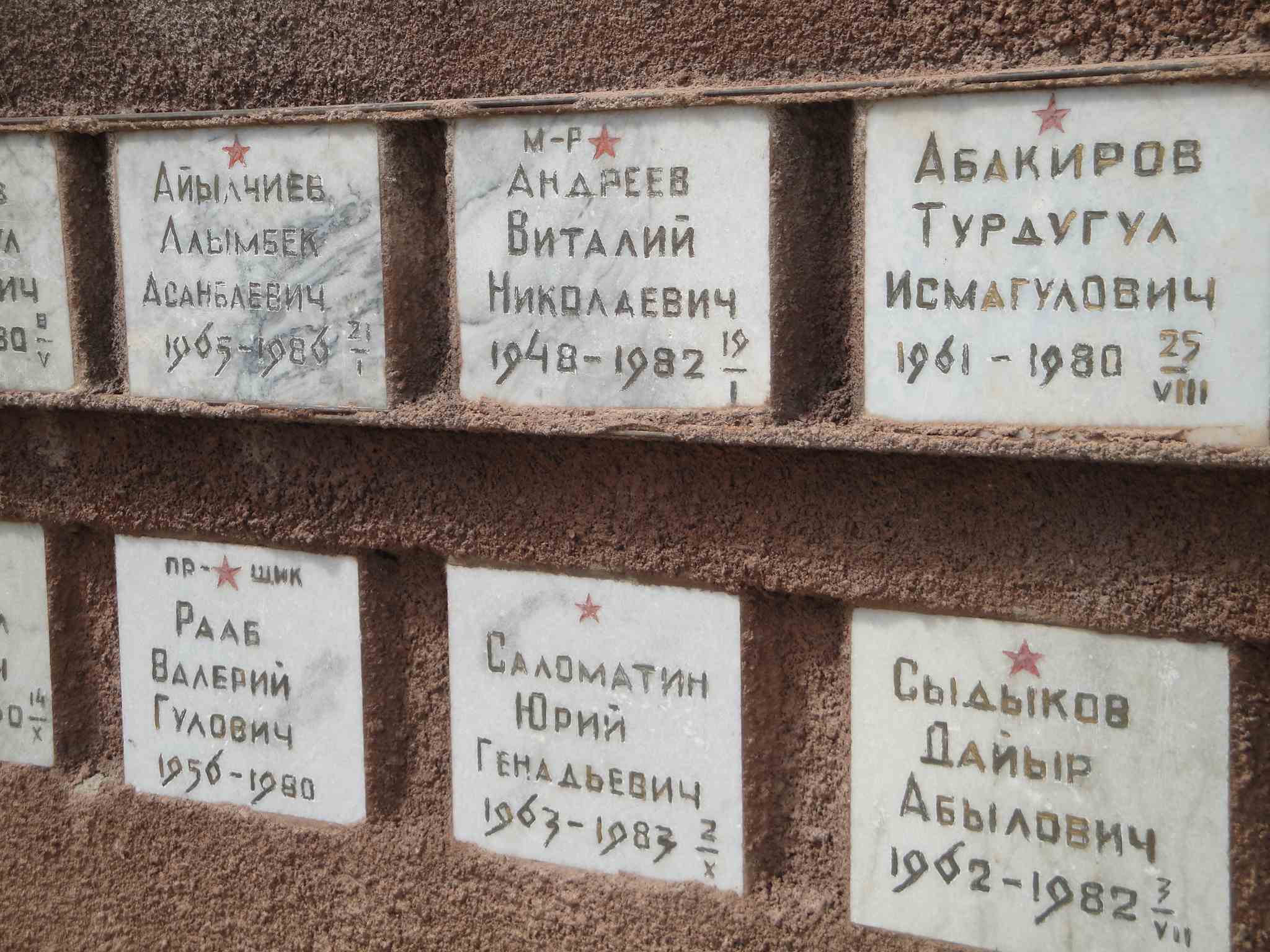
Here are some other photos of the town:


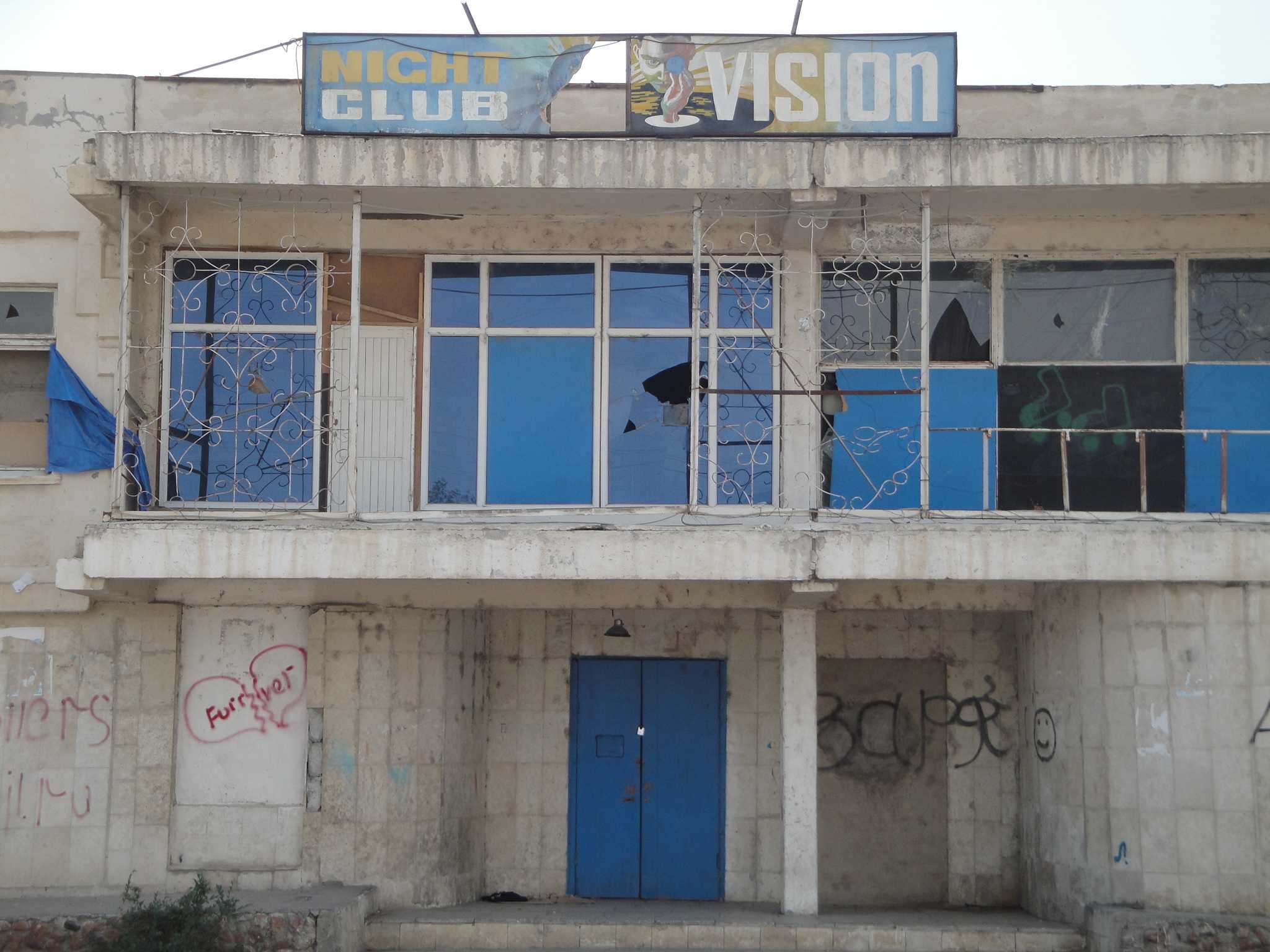
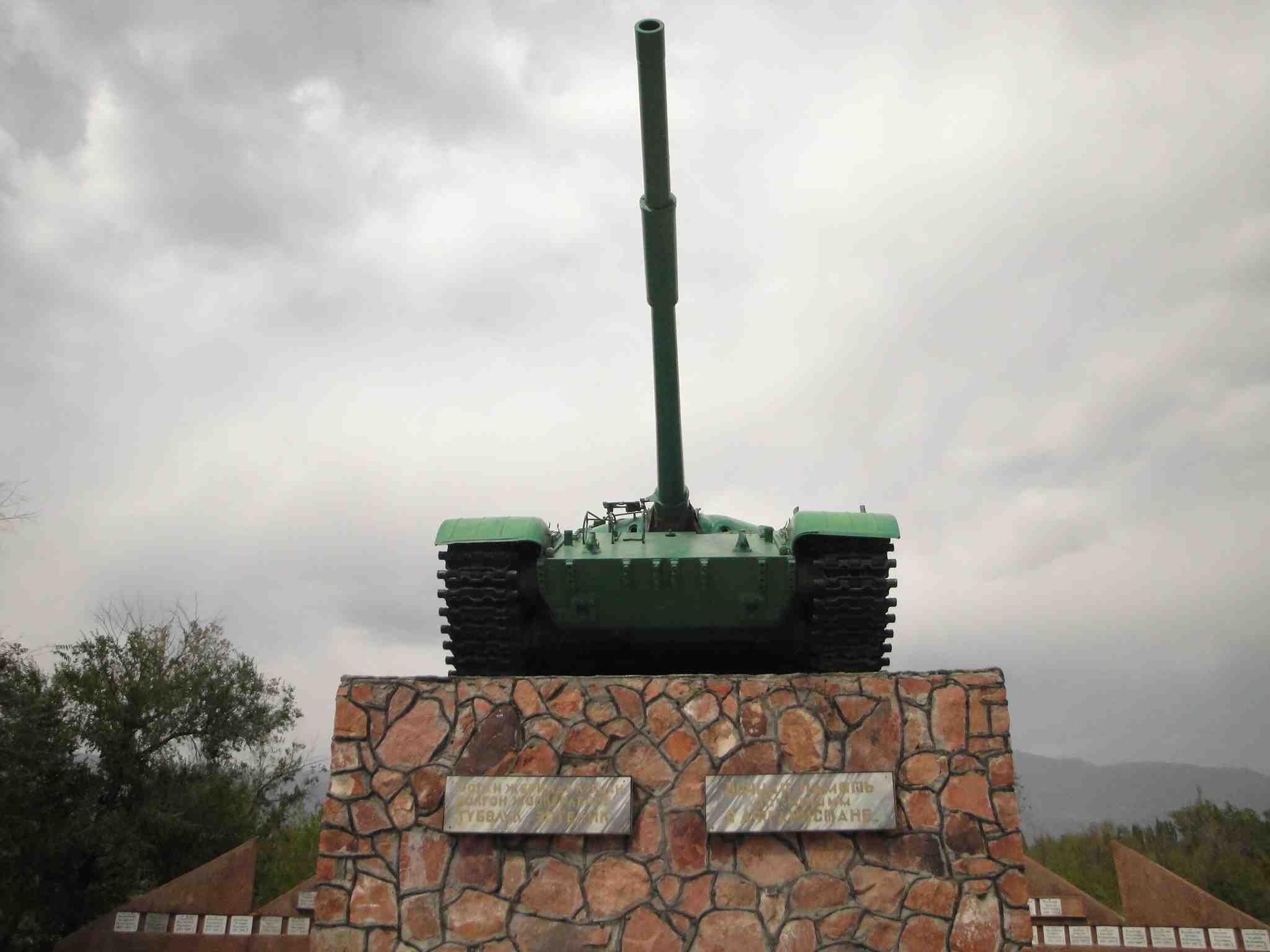
Afghan War memorial


My interview with photojournalist Sean Gallagher on his new book, Meltdown: China’s Environment Crisis, is up at chinadialogue.
Verbally, that is. My Q and A with the director of this wonderful documentary about Uyghur music is now up at China File
Trailer:
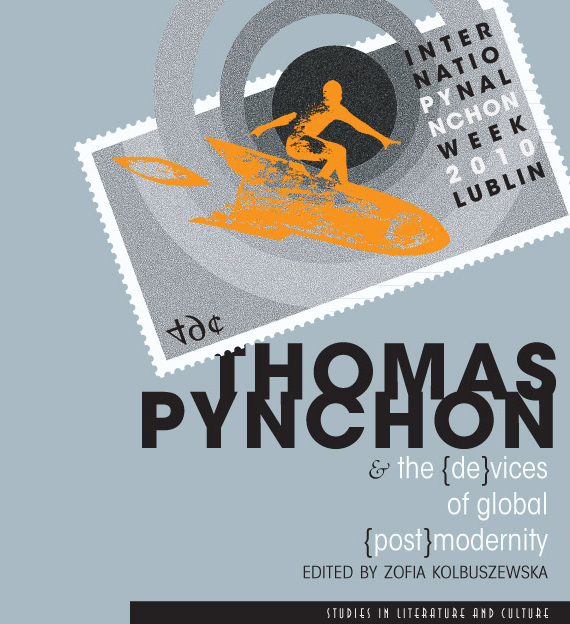
In what will probably be my only publication as a literary scholar (i.e. I wrote it ages ago, when I was still doing my PhD) I have a chapter in a beautifully designed book: Thomas Pynchon & the (de)vices of global (post)modernity.
My chapter is ‘You can’t always blame zombies for their condition’: Utopian escapes in Thomas Pynchon’s Inherent Vice‘.
Also see my piece on attending the conference that the book is based on….

My new essay on knowing a Chinese James Bond is in the new issue of The Dublin Review
This is how it starts:
Everyone in Shaoyang Teachers’ College said Mr Ma had been a spy. If this was supposed to be a secret, it was badly kept. When I first met him, in 1999, Mr Ma was in his mid thirties. He wore black glasses with thick lenses; his hair was in retreat; there was frequently a look of astonishment on his face. He was bashful, polite, prone to excessive laughter. But the fact that he didn’t look or act like a spy only made the rumours more plausible. It meant that he had been a good spy.

The nicest looking picture of Bo Xilai I could find
My take on the Bo Xilai trial, the biggest political trial in China for decades, now up at the LRB blog
(Part 1 of 2)
As has been well documented in discussions of the cultural situation in Xinjiang, many minority people in Xinjiang feel the future of their language and culture is insecure. Efforts to replace Uyghur-medium education begun in 2004 have intensified as the capillary spread of Chinese capitalism embeds its network and ideology deeper and deeper into southern Xinjiang. Although the first site of conflict was urban Uyghur schools, the extension of the railroad to Hotan has brought with it the “leap-frog development” of brand-new schools staffed by Mandarin-speaking teachers; in some cases the signs which accompany this “opening up of the West” were written in Chinese rather than the legally-required Uyghur script of the Uyghur Autonomous Region. These schools are popping up in the desert towns of Southern Xinjiang as tokens of the “sister-city” relationships established around conference tables in Ürümchi following the trauma of the…
View original post 1,314 more words
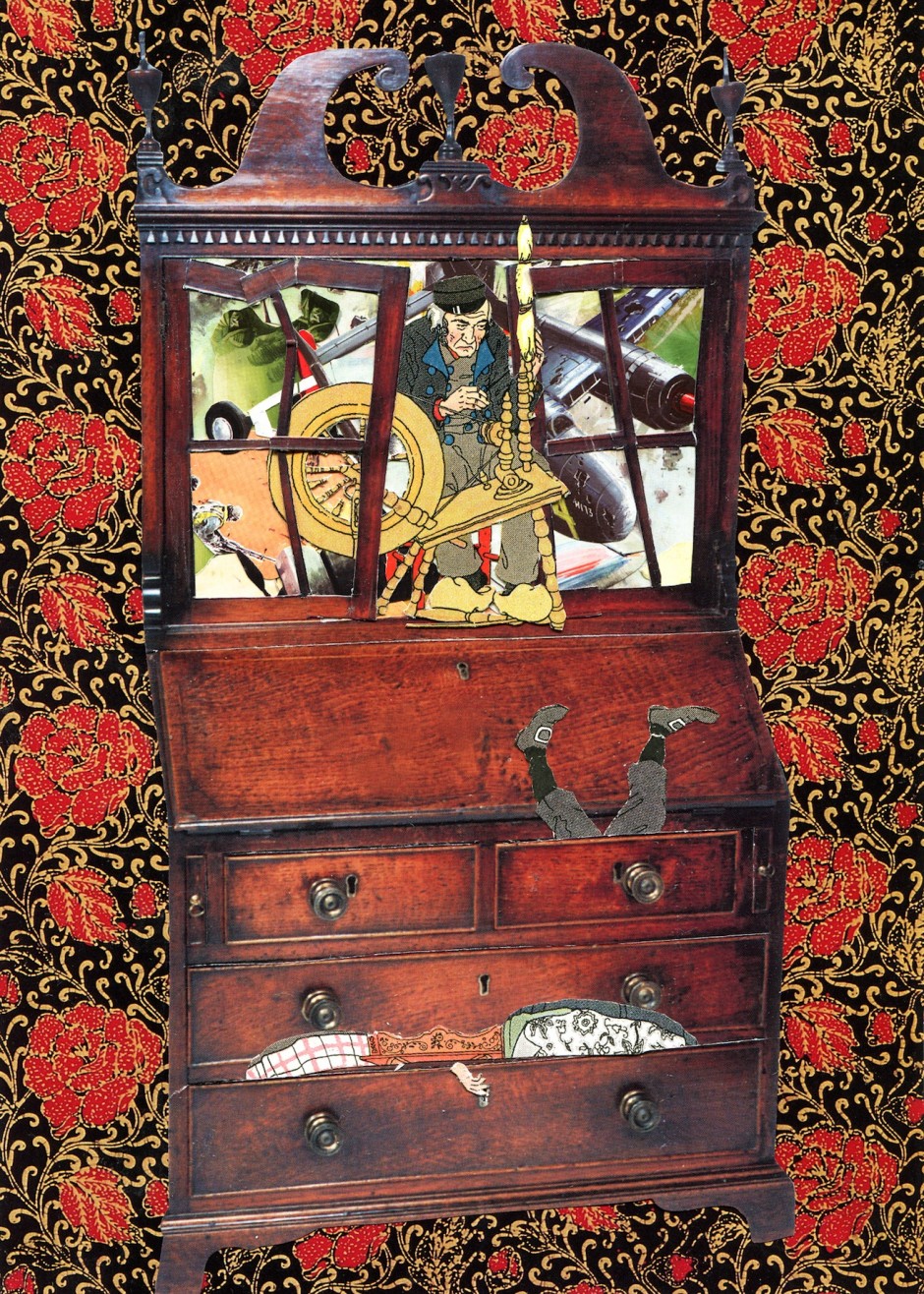
Marli Roode’s story in the latest issue of The Manchester Review is great- I explain why on their blog.
My story, ‘The False River’ appeared in the previous issue.
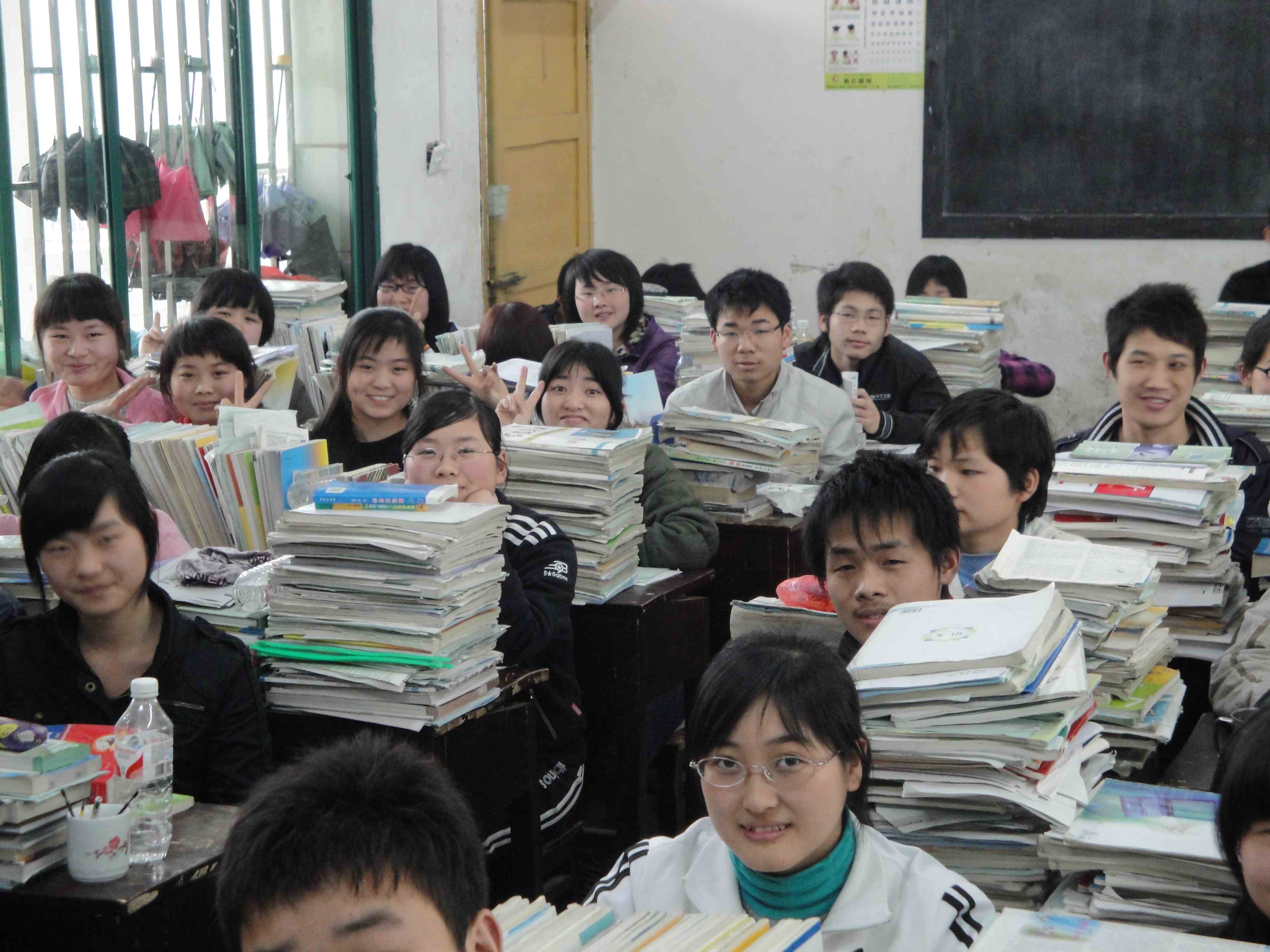
Middle school students in Hunan briefly distracted from the dreaded gao kao by the presence of a foreigner.
My piece on cheating in Chinese education is on the LRB blog.

A show of force in Urumqi this week
My piece for the 4th anniversary of the Urumqi riots is at Dissent magazine.

