My piece on being a politically engaged writer (or not) is now up at CITSEE.eu
My piece on being a politically engaged writer (or not) is now up at CITSEE.eu
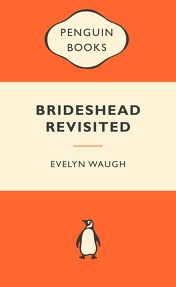
This is a witty book that I disliked immensely. It asks the reader to be moved by the decline of the English country house (Brideshead) and the world of inherited privilege (as represented by the Marchmain family). At no point is there any suggestion that all their style and splendour might be the product of inequalities of gender and class; the vast majority of society is only represented in the form of uncomplaining servants. There is a singular lack of compassion for anyone less fortunate, and scorn for anyone who tries to ‘do good’. When Charles Ryder (the book’s narrator) speaks of Cordelia Marchmain’s work as a nurse during the Spanish civil war, he does so in a withering fashion.
It hurt to think of Cordelia growing up ‘quite plain’; to think of all that burning love spending itself on serum-injections and de-lousing powder. When she arrived, tired from her journey, rather shabby, moving in the manner of one who has no interest in pleasing, I thought her an ugly woman.
But I would probably be able to forgive the novel these limitations if it wasn’t so overwritten. Though there are many fine passages of prose, there are far too many overworked metaphors. Waugh himself said he regarded ‘writing not as an investigation of character but as an exercise in the use of language’.
I am, however, glad that I read to the end, else I would have missed this piece of unpleasantness.
It was no time for the sweets of luxury; they would come, in their season, with the swallow and lime flowers. Now on the rough water there was a formality to be observed, no more. It was as though a deed of conveyance of her narrow loins had been drawn and sealed. I was making my first entry as the freeholder of a property I would enjoy and develop at leisure.
This would have been a contender for the Bad Sex prize, had it existed then.
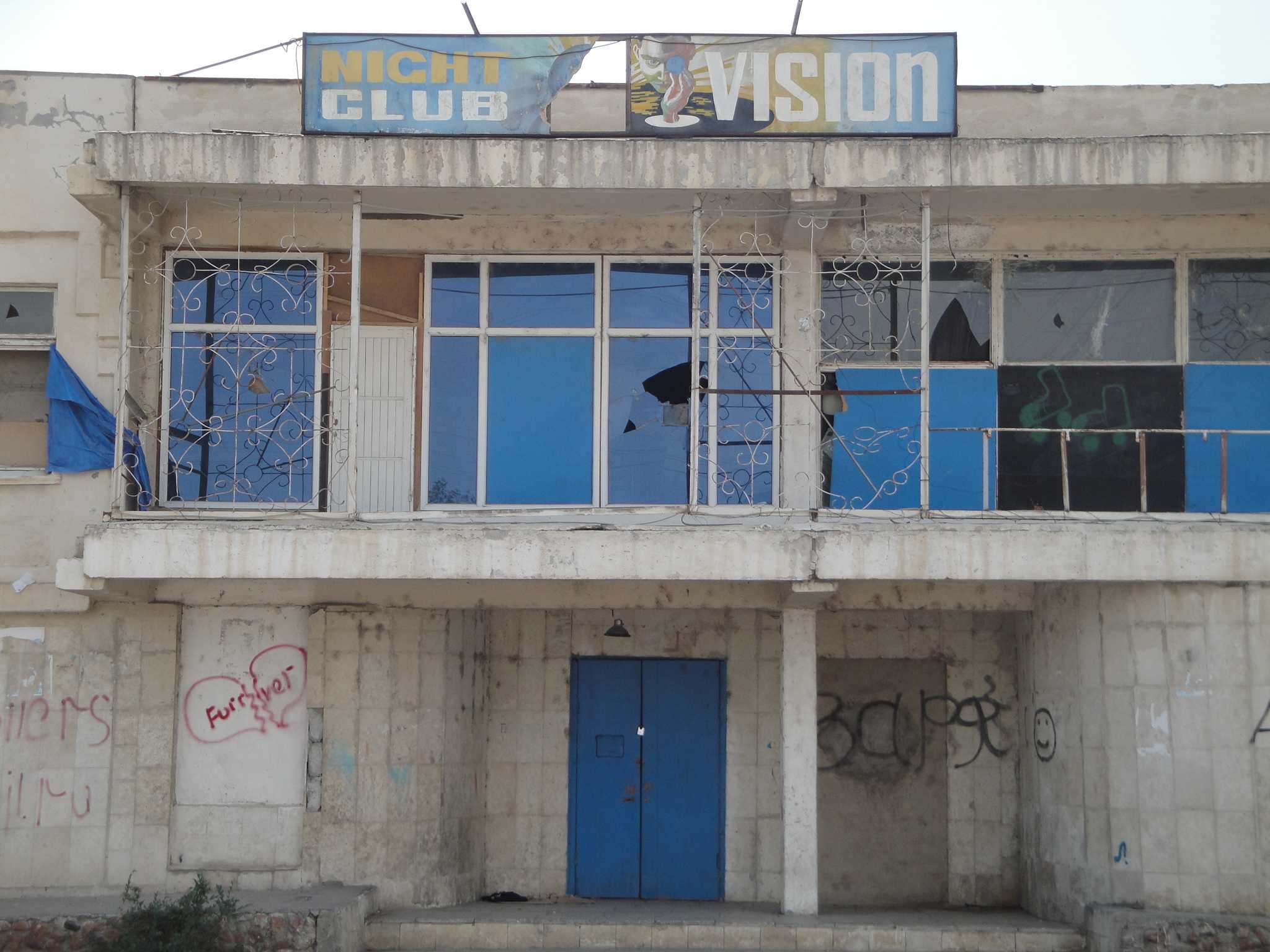
My first dispatch from Kyrgyzstan is now up on the London Review of Books Blog
Here are some other photos of the town:



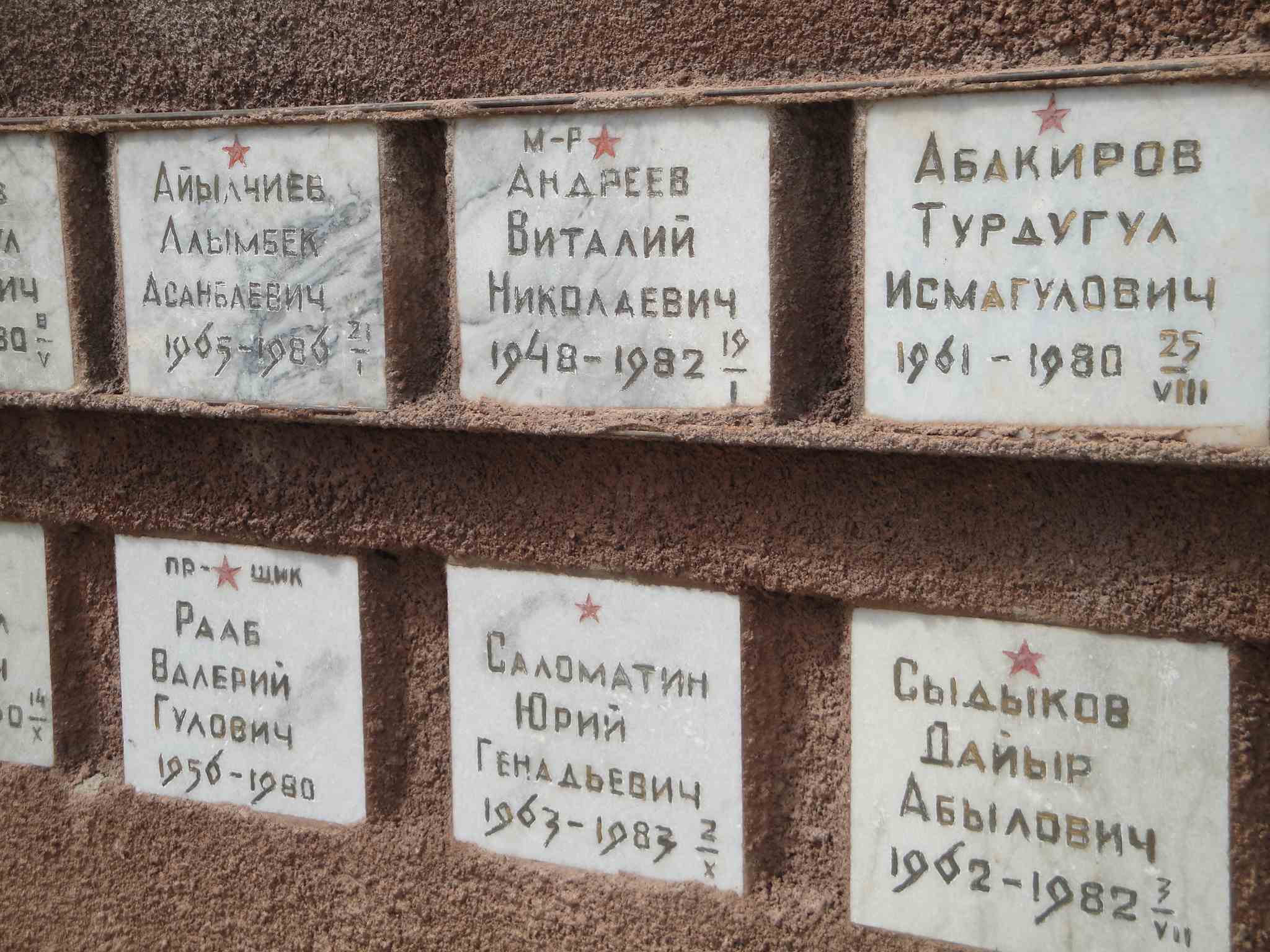
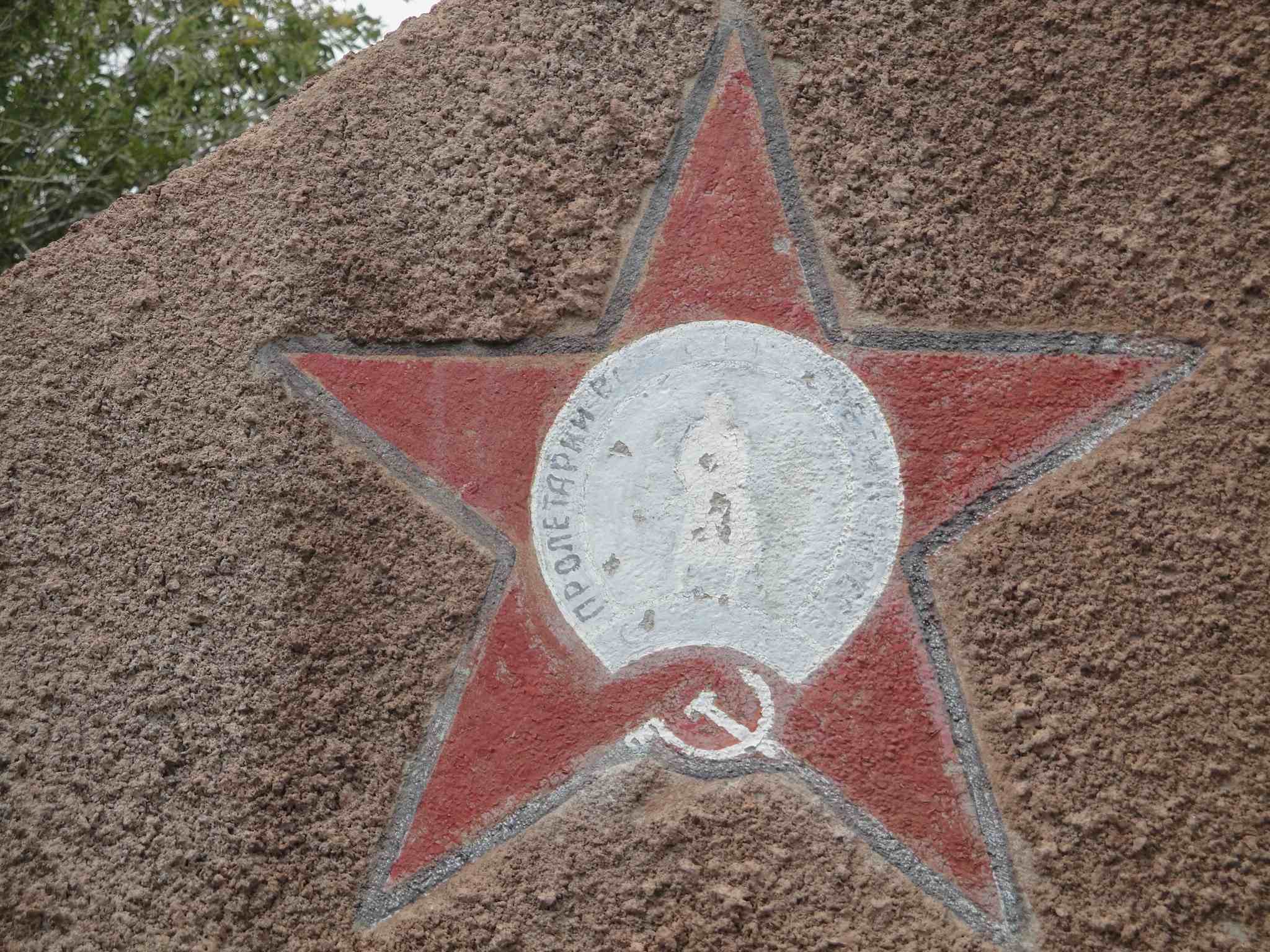
Afghan War memorial


My interview with photojournalist Sean Gallagher on his new book, Meltdown: China’s Environment Crisis, is up at chinadialogue.
Verbally, that is. My Q and A with the director of this wonderful documentary about Uyghur music is now up at China File
Trailer:
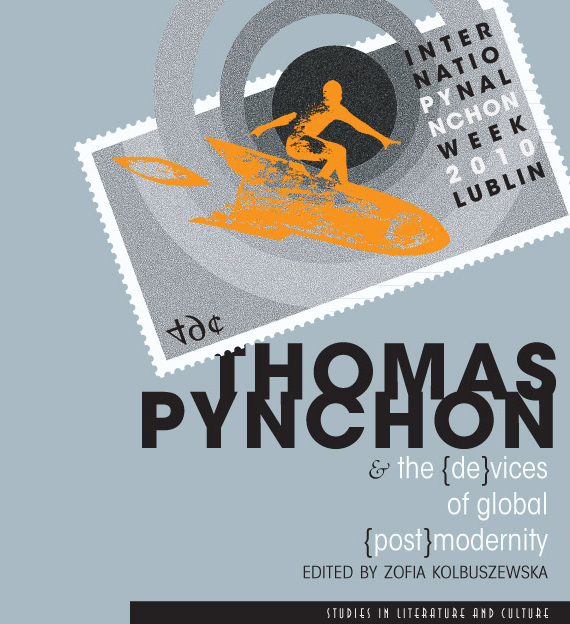
In what will probably be my only publication as a literary scholar (i.e. I wrote it ages ago, when I was still doing my PhD) I have a chapter in a beautifully designed book: Thomas Pynchon & the (de)vices of global (post)modernity.
My chapter is ‘You can’t always blame zombies for their condition’: Utopian escapes in Thomas Pynchon’s Inherent Vice‘.
Also see my piece on attending the conference that the book is based on….

My new essay on knowing a Chinese James Bond is in the new issue of The Dublin Review
This is how it starts:
Everyone in Shaoyang Teachers’ College said Mr Ma had been a spy. If this was supposed to be a secret, it was badly kept. When I first met him, in 1999, Mr Ma was in his mid thirties. He wore black glasses with thick lenses; his hair was in retreat; there was frequently a look of astonishment on his face. He was bashful, polite, prone to excessive laughter. But the fact that he didn’t look or act like a spy only made the rumours more plausible. It meant that he had been a good spy.

The nicest looking picture of Bo Xilai I could find
My take on the Bo Xilai trial, the biggest political trial in China for decades, now up at the LRB blog

(Part 1 of 2)
As has been well documented in discussions of the cultural situation in Xinjiang, many minority people in Xinjiang feel the future of their language and culture is insecure. Efforts to replace Uyghur-medium education begun in 2004 have intensified as the capillary spread of Chinese capitalism embeds its network and ideology deeper and deeper into southern Xinjiang. Although the first site of conflict was urban Uyghur schools, the extension of the railroad to Hotan has brought with it the “leap-frog development” of brand-new schools staffed by Mandarin-speaking teachers; in some cases the signs which accompany this “opening up of the West” were written in Chinese rather than the legally-required Uyghur script of the Uyghur Autonomous Region. These schools are popping up in the desert towns of Southern Xinjiang as tokens of the “sister-city” relationships established around conference tables in Ürümchi following the trauma of the…
View original post 1,314 more words
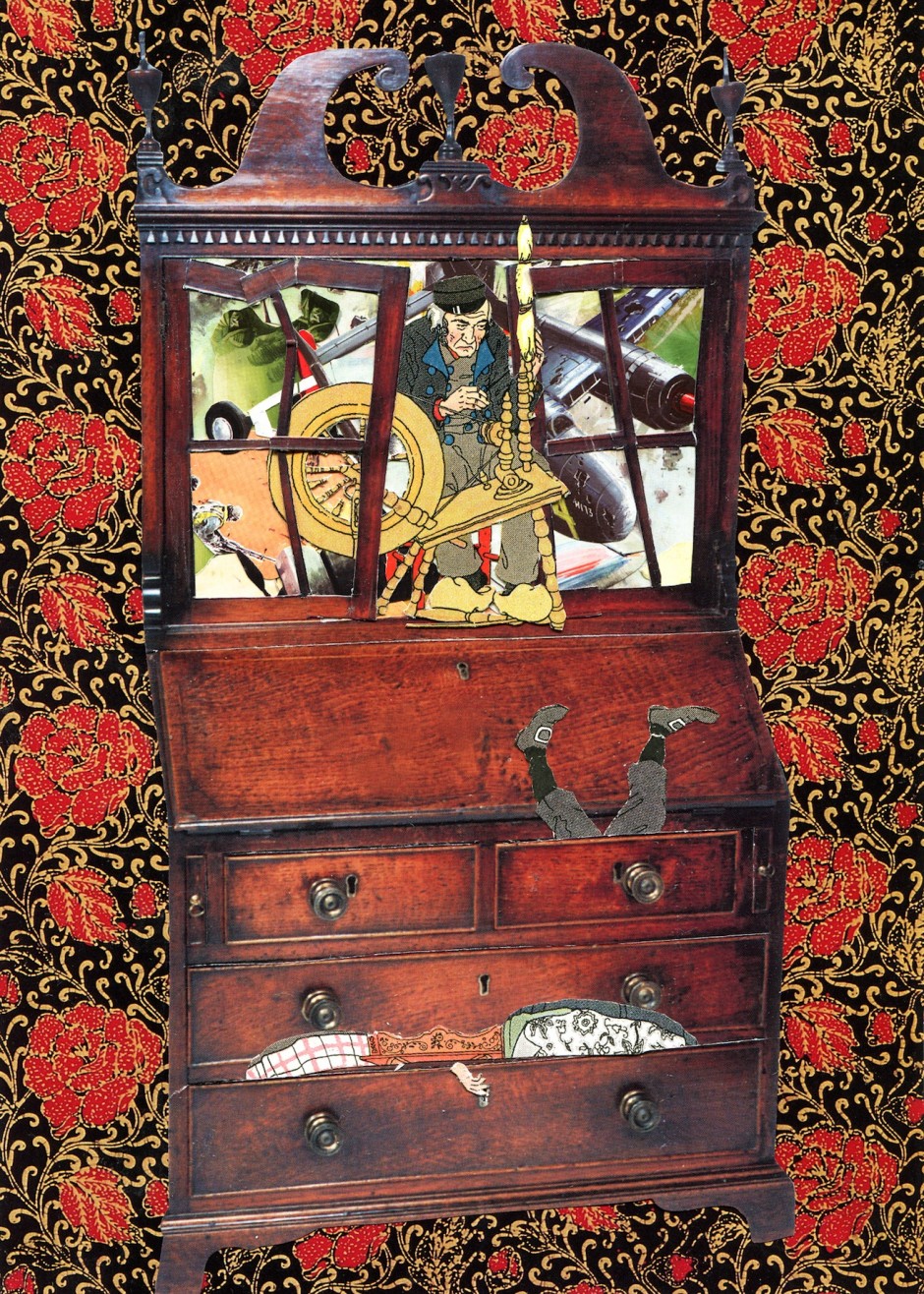
Marli Roode’s story in the latest issue of The Manchester Review is great- I explain why on their blog.
My story, ‘The False River’ appeared in the previous issue.
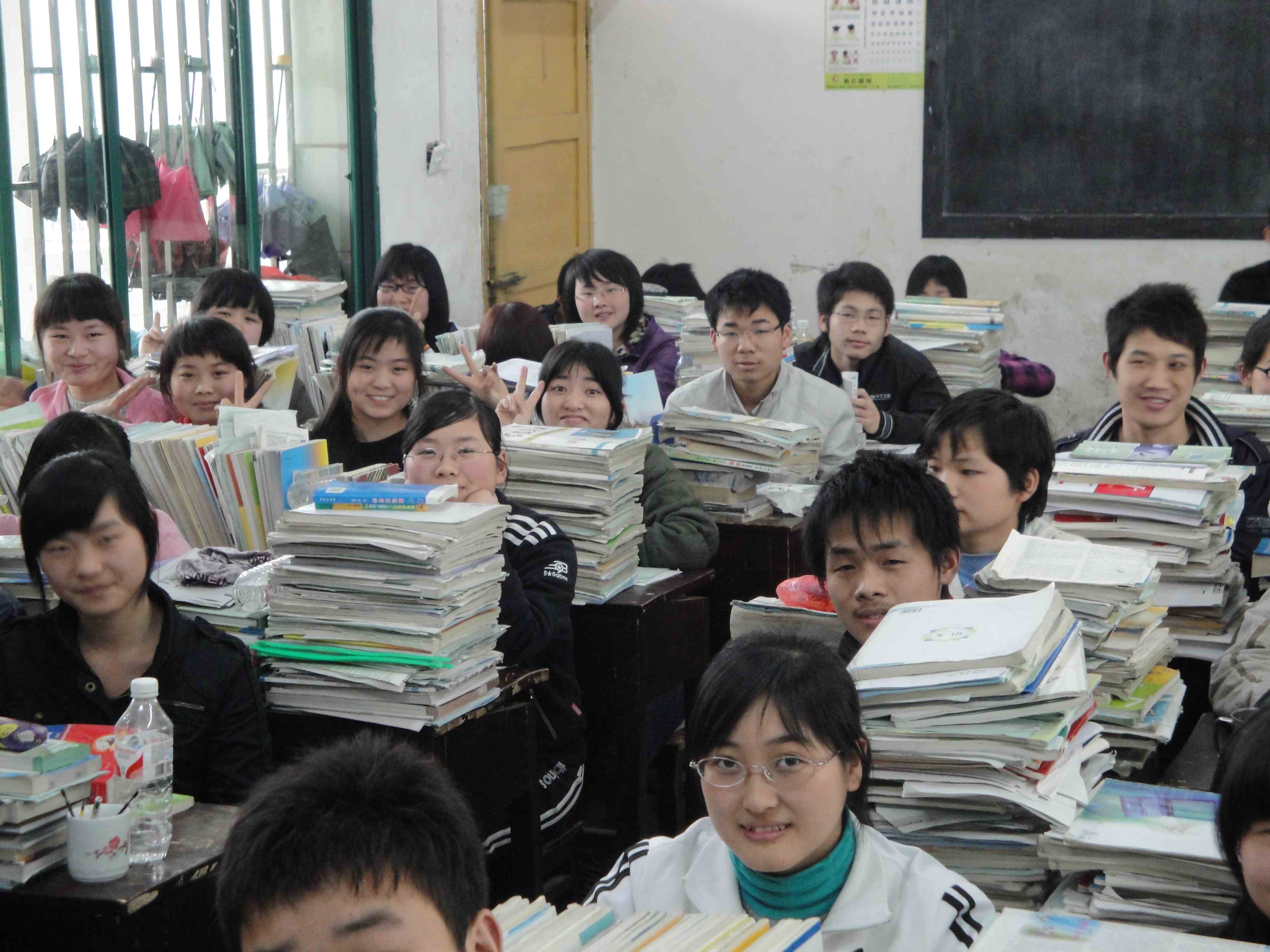
Middle school students in Hunan briefly distracted from the dreaded gao kao by the presence of a foreigner.
My piece on cheating in Chinese education is on the LRB blog.

A show of force in Urumqi this week
My piece for the 4th anniversary of the Urumqi riots is at Dissent magazine.
Very insightful look at the tensions within contemporary Uyghur masculinity
Hezriti Ali’s film short and music video “With Me”
Within the marriage market of the urban Uyghur community it has become almost a cliché to discuss the moral aptitude of young men in terms of their frequency of prayer. When introducing a potential boyfriend, the line given is “he prays five times a day” (Uy: u besh namazni jayida üteydu). Although this description often overlooks other moral failures such as drinking, smoking and general carousing, the overall connotation conveyed is “this guy is a good, responsible guy.” In the short film “With Me,” Hezriti Ali, another self-made migrant actor-muscian from the Southwest edge of the Taklamakan Desert, tackles this problem in an unusually subtle and implicit way.
In the ten minute narrative film which proceeds his performance of the song, Hezriti lays out the context which migrant young men face in the city. Since, as for all Chinese men…
View original post 827 more words
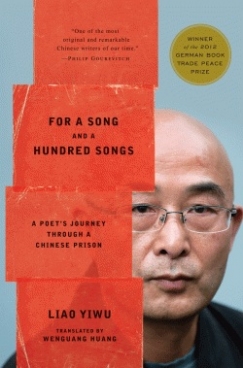
My review of Liao Yiwu’s prison memoir is now up at The LA Review of Books.

My interview with Lisa Ross on Uyghur shrines in the desert is at the Los Angeles Review of Books– thanks again to her for answering my questions in such a thoughtful manner.
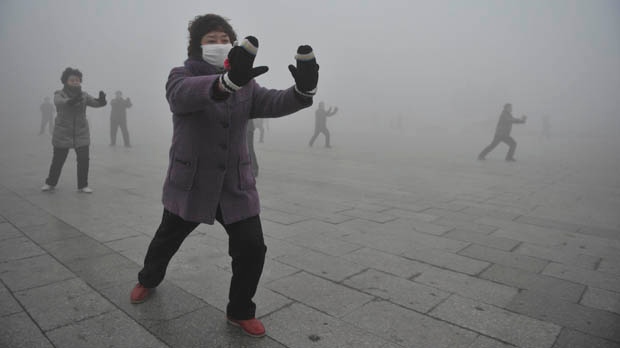
I write about the apocalyptic pollution in China on the LRB Blog
Previous ‘Pollution in China!’ posts:

A mining project in Xilinhaote, Inner Mongolia
Isobel Yeung, who works for CCTV, China’s state broadcaster, recently wrote a piece for The Independent in which she argued that the Western media are misrepresenting China’s policies towards ethnic minorities in Inner Mongolia. She argued that the government aren’t trying to destroy the culture of nomadic herders by moving them into cities- they just want to improve their ‘medieval lifestyle’. Here’s my response to this in The Independent.
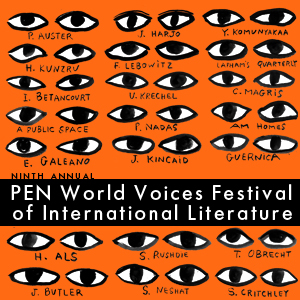
The program for the PEN World Voices Festival of International Literature in New York is now online, featuring many great writers, such as James Kelman, Aleksandar Hemon and Edna O’Brien. If you happen to have $1000 kicking around, I’d suggest you get a ticket for the Philip Roth Literary Gala event.
I’ll be taking part in two events in the festival, the first A Literary Safari, where I will be pursued, Running Man style, through a booby trapped labyrinth while giving a reading. The second is a more sedentary affair, though possibly equally perilous- I’ll be moderating an event on Revitalizing Endangered Languages.
Lots to check out- and if you’re not in NYC then, I’m sure a lot of it will be online on the PEN site.

I have a post on the London Review of Books Blog about turning the news into computer games, including Endgame: Syria and one on cotton picking in Uzbekistan.
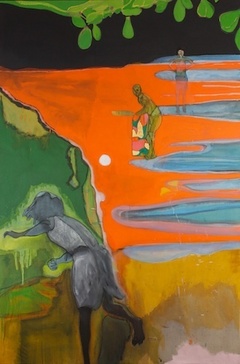
I have a review of Sven Lindqvist’s The Myth of Wu Tao Tzu up at the Los Angeles Review of Books
My Dublin Review piece on corruption and factories in China is now online.
Great photos from Yamaliq in Urumqi

Babur and Humayun
I have a short post on the Uzbek government’s ban on Valentine’s Day up on the LRB blog. There is also a ban in Iran, Malaysia, Pakistan and Saudi Arabia, where Valentine’s cards and celebrations are banned on the grounds that the day is a Western import that goes against their society’s values and traditions.
The Uzbek government’s alternative has been to suggest that February 14th be used to celebrate the Moghul Emperor Babur’s birthday; Tamerlane, his great-grand father, is already frequently invoked by President Karimov. Ever since its independence in 1991, Uzbekistan has been attempting to construct a nationalistic narrative of Uzbek culture and history. One of its main vehicles for doing this has been the variety performances that celebrate Independence and Navro’z (a festival with Zoroastrian roots which marks the spring equinox). However, just as few people seem to pay much attention to these gala occasions, so it seems unlikely that this year’s added invective against Valentine’s Day will have dissuaded many young people from finding ways to mark the holiday.
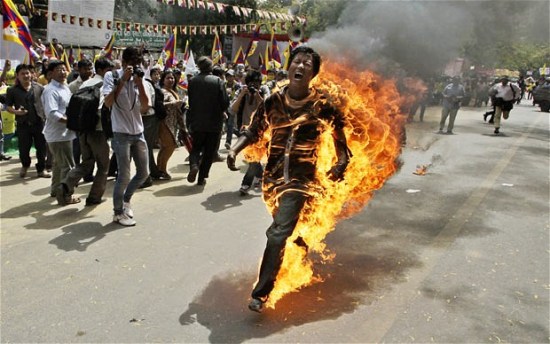
I have a short piece on the LRB Blog about the Tibetan self-immolations, of which there have been almost 100 since 2011. Click here to read.
My interview with Saskia Sassen on Occupy, the Eurozone, and the politics of urban spaces is now online here

I have a new story called ‘The False River’ in the latest edition of The Manchester Review, along with work from Kirsty Gunn, Rachel Cusk, Janet Frame and others. Their redesigned site looks great and has lots of other good work worth checking out.
Dear Readers, I will be doing a reading with Keith Ridgway on Saturday 24th November as part of this year’s West Port Book Festival. Keith Ridgway’s latest book, Hawthorn & Child, has been getting some very good reviews, and I’m looking forward to the event. I will be reading from the novel I am currently working on, so there’s also the enticing prospect of an EPIC FAIL on my part.
You should also check out the many other FREE events in the WPBF – ranging from book binding to Turing-themed collaborations – all of which are testament to the care with which the WPBF has been programmed. It is the boutique festival of boutique festivals. Come along, enjoy the events, and help support the booksellers of West Port.
Here’s the review of The Tree That Bleeds from the April issue of Literary Review. Click on the images to enlarge.


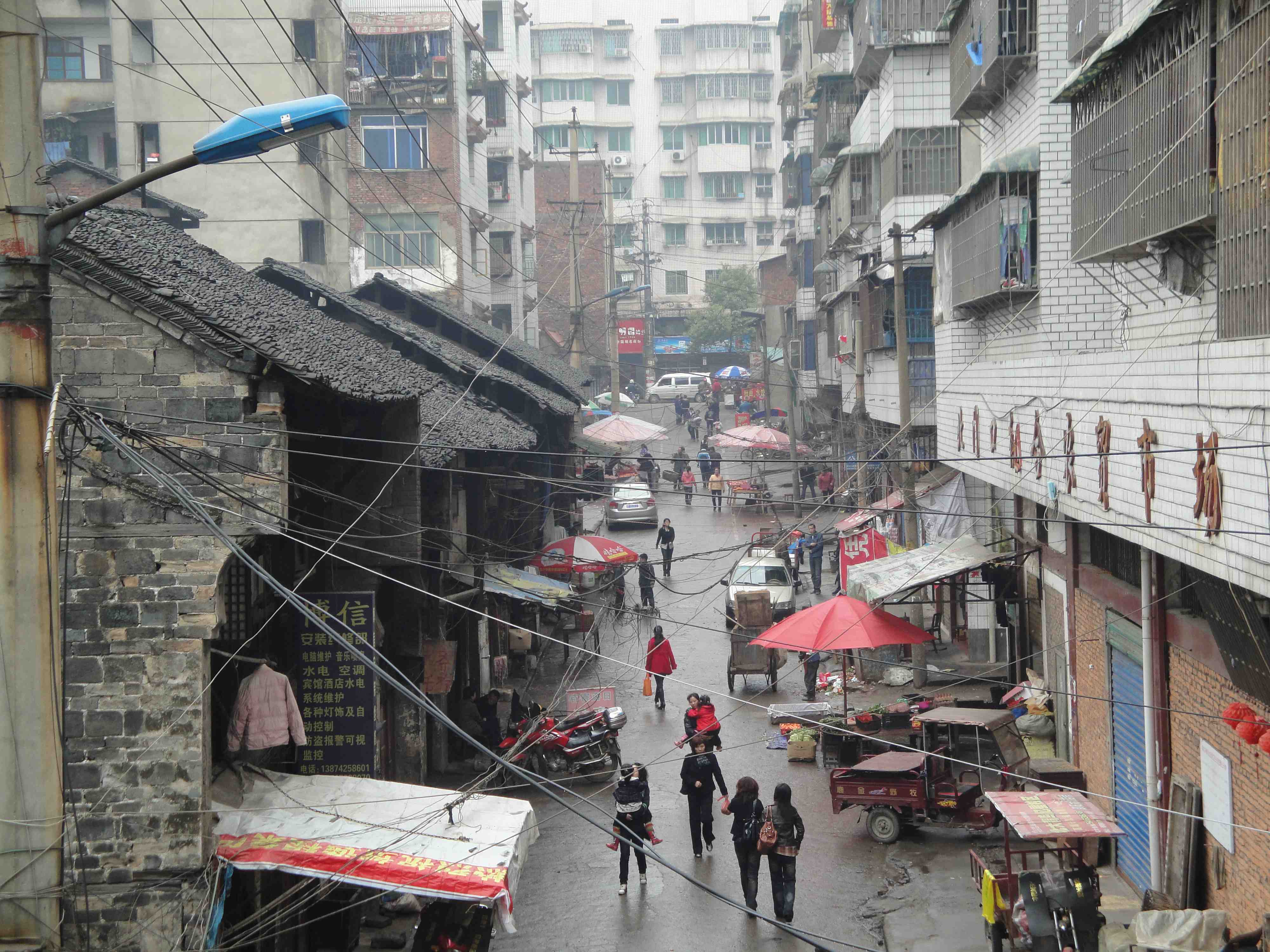
View from the old city gate of Shaoyang, 2010
In my latest post on the London Review of Books Blog I write about rubbish, murder and the gap between the cities of China’s east coast and those of its interior. For more on wonderful Shaoyang see my piece at the LA Review of Books.

 Nick Holdstock